What is prediabetes?
Prediabetes, or non-diabetic hyperglycaemia, is a state where your blood sugar is higher than normal but not yet high enough for a diabetes diagnosis.
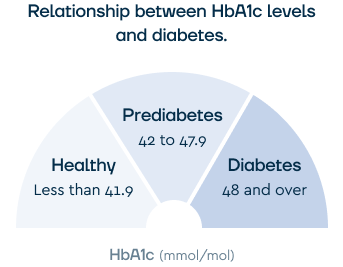
In the UK, prediabetes is defined by an HbA1c (a measure of your average blood sugar over 2 to 3 months) between 42 and 47 mmol/mol (6.0 to 6.4%), or a fasting plasma glucose between 5.5 and 6.9 mmol/L.2
Around 6.3 million adults in the UK are estimated to have prediabetes.3 Without intervention, 5 to 10% of people with prediabetes progress to type 2 diabetes each year.4
Prediabetes is often reversible. Weight loss, dietary changes, and physical activity can return blood sugar to the normal range for many people.
Wegovy evidence in prediabetes
STEP 10: the dedicated prediabetes trial
STEP 10 was a 52-week randomised, double-blind, placebo-controlled trial in 207 people with obesity and prediabetes, conducted across Canada, Denmark, Finland, Spain, and the UK and led by Professor Barbara McGowan at Guy’s and St Thomas’ NHS Foundation Trust.1
Participants were randomly assigned to either Wegovy 2.4 mg or a placebo, alongside lifestyle support.
By 52 weeks, 81% of those on Wegovy had returned to normal blood sugar levels (normoglycaemia), compared with 14% on placebo. Mean weight loss was 13.9% on Wegovy versus 2.7% on placebo.
The trial also followed participants for a further 28 weeks after stopping treatment.
At week 80, 44% of those previously on Wegovy maintained healthy blood sugar levels, compared with 18% in the lifestyle-only group.1
SELECT: 73% reduction in progression to diabetes
The SELECT trial tested semaglutide 2.4 mg in over 17,000 people with established cardiovascular disease and overweight or obesity. About two-thirds of participants had prediabetes at baseline.
A prespecified analysis published in 2024 found that semaglutide reduced the risk of progression to type 2 diabetes by 73% over 156 weeks compared with placebo. The number of patients needed to treat to prevent one case of diabetes was 18.5.5
The benefit was seen across baseline blood sugar levels, including in those who started with HbA1c in the prediabetes range.
STEP programme subgroup analysis
A separate post-hoc analysis pooled data from STEP 1, 3, and 4 and looked at 3,375 people with baseline prediabetes.
At 68 weeks, between 84% and 90% of those on Wegovy had returned to normal blood sugar, compared with 48% to 70% on placebo. Fasting plasma glucose and HbA1c also fell more on Wegovy.6
When treatment stops
The STEP 1 extension study followed people for a year after stopping semaglutide.
About two-thirds of the lost weight returned within 12 months, and most of the improvements in blood sugar, blood pressure, and cholesterol were reversed.7
For people taking Wegovy with the goal of preventing type 2 diabetes, the lifestyle changes built up alongside the medication are what determine whether the improvements are maintained when the medication is stopped.
How treatment options compare
| Option |
Typical weight loss |
Reduction in T2D progression |
UK access |
| NHS Diabetes Prevention Programme |
3.6 kg in completers at programme end8 |
20% lower risk of progression9 |
Free; GP referral |
| Intensive lifestyle change (DPP-style) |
5 to 7% body weight |
58% over 3 years10 |
Limited; trial-style intensity not routinely available |
| Wegovy (semaglutide 2.4 mg) |
13.9% at 52 weeks1 |
73% (SELECT) over 156 weeks5 |
NHS via specialist services (limited); private from £150 to £300 per month |
| Mounjaro (tirzepatide) |
Up to 22.9% at 176 weeks11 |
94% over 176 weeks11 |
NHS via specialist services (limited); private from £150 to £300 per month |
The figures aren’t directly comparable because the trials used different populations, follow-up periods, and definitions of progression. But they give a sense of the relative scale of effect across options.
NHS Diabetes Prevention Programme first
The Healthier You NHS Diabetes Prevention Programme (NHS DPP) is a free, structured behaviour change programme for people with prediabetes.12
Second Nature is a digital provider for this programme and has worked with the NHS on diabetes prevention for over 6 years.
The programme provides personalised support for diet, physical activity, and weight management.
People who attend at least 60% of sessions and complete the programme lose an average of 3.6 kg and reduce HbA1c by 2.1 mmol/mol.8
A 2023 matched cohort study found that NHS DPP referral was associated with a 20% lower risk of progression to type 2 diabetes.9
The original Diabetes Prevention Program (DPP) trial, published in 2002, showed that intensive lifestyle change (a 7% weight loss target plus 150 minutes of physical activity per week) reduced the incidence of type 2 diabetes by 58% over 3 years. The Finnish Diabetes Prevention Study reported similar findings.10
When to consider Wegovy
NICE recommends Wegovy through specialist weight management services for adults meeting specific criteria, not as a first-line option for prediabetes.13
If you’ve engaged with the NHS DPP or other lifestyle support and haven’t achieved enough weight loss to return blood sugar to the normal range, Wegovy is one option to discuss with your GP.
Second Nature combines Wegovy with structured dietitian and coaching support, rather than offering medication on its own.
Cardiovascular disease risk
Prediabetes raises the risk of cardiovascular disease, not just diabetes.
Most people with prediabetes who progress to diabetes will eventually develop cardiovascular complications.
The SELECT trial showed that semaglutide 2.4 mg reduced major adverse cardiovascular events by 20% in people with overweight or obesity and established cardiovascular disease.5
Notably, the cardiovascular benefit appeared early, before substantial weight loss had occurred. The benefit didn’t depend on how much HbA1c fell during treatment
For someone with prediabetes who also has elevated cardiovascular risk (high blood pressure, high cholesterol, family history of heart disease), this wider evidence is worth raising with your GP when discussing options.
Muscle mass and insulin function
Muscle is the largest tissue in the body that takes up glucose (sugar) from the blood; consider it like a sponge that soaks up sugar from the blood, like a sponge soaks up water.
People with more muscle and less visceral fat tend to have better insulin function, even at the same overall body weight.
It’s essential to eat enough protein to maintain muscle mass. Muscle loss accelerates when you’re losing weight quickly, and Wegovy can produce rapid weight loss in the first few months. Protein at every meal helps protect lean tissue.
Resistance training has a specific benefit for prediabetes that aerobic exercise alone doesn’t fully replicate. Even short sessions twice a week encourage our muscles to soak up more sugar from the bloodstream.
Combining medication with adequate protein and strength training will help our blood sugar levels return to normal.
Access and cost in the UK
NHS access to Wegovy is limited. NICE TA875 restricts prescribing to specialist weight management services for adults meeting strict criteria.
NHS prescribing has a maximum treatment duration of 2 years and a requirement to stop if you don’t lose at least 5% of your body weight in the first 6 months on the maintenance dose.13
In practice, most people accessing Wegovy for prediabetes do so privately. Typical UK private prescribing costs are £150 to £300 per month, plus an initial consultation fee of £30 to £100 in most services.
If you’re considering private prescribing, check that the provider is registered with the Care Quality Commission (CQC) and that the dispensing pharmacy is registered with the General Pharmaceutical Council (GPhC).
Foods to focus on
A diet based on whole foods
A diet based on whole foods supports blood sugar control, helps protect muscle mass during weight loss, and gives you the nutrients your body needs.
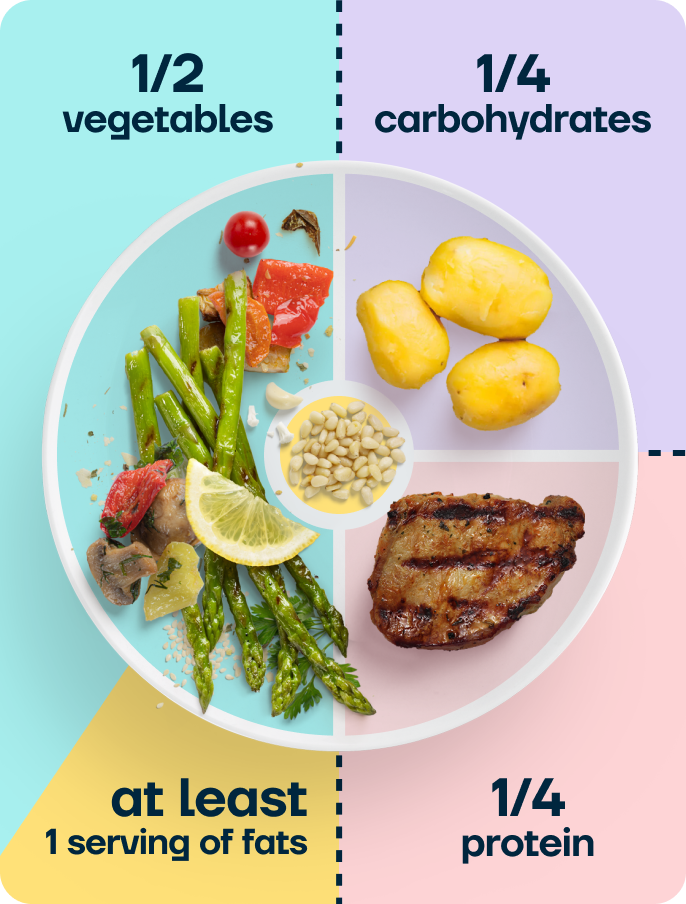
In practice, this means filling roughly half your plate with vegetables, a quarter with protein (chicken, fish, eggs, beans, lentils, tofu, or Greek yoghurt), and a quarter with complex carbohydrates (wholegrain bread, brown rice, oats, potatoes, or quinoa).
Add a portion of healthy fat, such as olive oil, avocado, nuts, or seeds.
Build most of your meals around these foods. Ultra-processed foods (ready meals, biscuits, crisps, sugary drinks) are fine in smaller amounts, but they tend to be lower in protein and fibre and higher in refined carbohydrates that spike blood sugar, so they shouldn’t form the basis of your meals.
Fibre and complex carbohydrates
Fibre slows the rate at which sugar is absorbed from food, which keeps blood sugar steadier between meals.
A 2019 Lancet meta-analysis found that people eating 25 to 29 grams of fibre a day had 15 to 30% lower rates of type 2 diabetes, heart disease, and related mortality compared with those eating lower fibre.14
Wholegrain bread, rolled oats, brown rice, beans, nuts and seeds, lentils, vegetables, and fruit are the main sources.
Protein at each meal
Getting enough protein helps preserve muscle mass during weight loss and keeps blood sugar more stable between meals.
Good sources include chicken, fish, eggs, Greek yoghurt, tofu, and beans and lentils. We recommend ensuring every meal contains a palm-sized portion of protein, including breakfast.
Alcohol
Alcohol is broken down by the liver, and drinking regularly leads to fat building up in the liver.
A fatty liver makes it harder for your body to respond to insulin, which is the core problem in prediabetes.
Diabetes UK recommends staying within the UK Chief Medical Officer guidance of no more than 14 units a week, spread across the week with several alcohol-free days.15
Alcohol can also worsen the nausea some people experience on Wegovy, particularly during dose escalation.
Staying active
Physical activity improves how your body uses insulin, which is central to preventing progression from prediabetes to type 2 diabetes.
A 2024 meta-analysis found that combined aerobic and resistance training was the most effective pattern for improving blood sugar control.16
Getting started
If you’re not currently active, fatigue, joint stiffness, and lack of time can all make exercise feel harder than it should.
Developing a daily walking habit is an accessible starting point for most people. You can start by aiming to go for a 5 minute walk after dinner, or in the morning, and gradually building up from there as it feels more comfortable.
Building strength
Resistance training has a specific benefit for insulin sensitivity and helps preserve muscle mass during weight loss.
Start with bodyweight exercises like squats, wall press-ups, and sit-to-stands. Add resistance bands or light dumbbells once these feel manageable.
Looking after your mental health
A prediabetes diagnosis often brings up feelings of anxiety, particularly about progressing to type 2 diabetes.
A UK qualitative study embedded in the ADDITION-Cambridge type 2 diabetes screening trial found that most people screened didn’t experience significant distress, but a meaningful minority reported worry, uncertainty, and hypervigilance, especially when follow-up communication was limited.17
Weight stigma also affects mental health. Research on weight stigma shows it’s associated with higher rates of depression and anxiety and lower engagement with health behaviours.18
If anxiety about your diagnosis or about weight is affecting daily life, speak to your GP.
NHS Talking Therapies accepts self-referral in most areas of England.
The NHS DPP also includes psychological support as part of its structured programme.
When to speak to your GP
Contact your GP if you experience:
- Increased thirst, frequent urination, or unexplained weight loss (possible signs of progression to diabetes)
- Persistent nausea or vomiting on Wegovy that prevents you from keeping fluids down
- Signs of dehydration (dark urine, dizziness, reduced urination)
- New or worsening vision changes
- Tingling or numbness in your hands or feet
- Feelings of anxiety, low mood, or being overwhelmed by managing your condition
Ask your GP about:
- Referral to the NHS Diabetes Prevention Programme if you haven’t been offered it
- Your next HbA1c check (usually annually in primary care)
- Eligibility for specialist weight management services
Frequently asked questions
Can prediabetes be reversed without medication?
Yes, for many people. The original Diabetes Prevention Program (DPP) trial in the US showed that intensive lifestyle changes reduced the incidence of diabetes by 58% over 3 years.10 The Finnish Diabetes Prevention Study reported similar results.
The NHS DPP, modelled on these trials, reduces progression to type 2 diabetes by around 20% at the population level, with better results for those completing 60% or more of the sessions.9
Is Wegovy licensed for prediabetes?
No. Wegovy is licensed in the UK for weight management in adults with a BMI of 30 or above, or 27 or above with a weight-related condition.13
Prediabetes is a weight-related condition, meaning eligible people can access Wegovy, but it’s not a diabetes prevention medication in its own right.
Can I get Wegovy on the NHS for prediabetes?
NHS access is through specialist (Tier 3) weight management services, with eligibility based on NICE TA875 criteria. Having prediabetes alone isn’t enough.
Most people accessing Wegovy for prediabetes-related weight loss in the UK do so privately.
How much weight do I need to lose to reverse prediabetes?
A larger weight loss usually means a better chance of returning blood sugar to the normal range.
In STEP 10, mean weight loss on Wegovy was 13.9% at 52 weeks, and 81% of participants returned to healthy blood sugar levels.1
The DiRECT trial in people with type 2 diabetes (not prediabetes) showed that 15 kg or more of weight loss was strongly linked to diabetes remission, providing a sense of the dose-response between weight loss and blood sugar.
How long does it take for HbA1c to fall on Wegovy?
In the STEP trials, significant improvements in HbA1c were observed within 6 months and continued through the 68-week trial endpoint.6 Your GP can recheck HbA1c 3 to 6 months after a significant weight change.
Am I supposed to take Wegovy forever?
NICE recommends a maximum NHS treatment duration of 2 years.13 When semaglutide is stopped, around two-thirds of the lost weight returns within a year if no other support is in place.7
The most realistic plan is to use the period on Wegovy to build sustainable diet, activity, and habit changes that can carry forward without the medication.
What’s the difference between Wegovy and Mounjaro for prediabetes?
Both work by mimicking hormones that regulate appetite and blood sugar.
Mounjaro (tirzepatide) mimics two hormones naturally produced in the body (GLP-1 and GIP), whereas Wegovy targets just GLP-1.
In SURMOUNT-1, a 3-year trial of tirzepatide in people with obesity and prediabetes, tirzepatide reduced progression to type 2 diabetes by 94%, and weight loss reached an average of 22.9% on the highest dose.11
The evidence for semaglutide in prediabetes is also strong (81% normoglycaemia at 52 weeks in STEP 10), but the head-to-head comparison favours tirzepatide in terms of weight loss and diabetes prevention.
Will Wegovy affect the accuracy of my HbA1c test?
No. Wegovy doesn’t interfere with HbA1c measurement. The reductions seen on Wegovy reflect real improvements in blood sugar control.
Can I still drink alcohol on Wegovy?
Alcohol can lead to the build up of excess fat in the liver, which can affect insulin function, and therefore, how our body manages blood sugar.
Diabetes UK recommends staying within 14 units a week and having several alcohol-free days.15
Does the NHS DPP work if I also want to take Wegovy?
The lifestyle changes taught on the NHS DPP (diet, activity, habit change) are the foundation for any weight loss medication.
The two approaches aren’t mutually exclusive. Second Nature combines coaching with medication support for people who need both.
What are the most common side effects?
The most common side effects are nausea, constipation, diarrhoea, and tiredness, particularly during the first few weeks and during dose increases.
In STEP 10, 6% of participants stopped Wegovy because of side effects, compared with 1% on placebo.1
Our related guides cover Mounjaro with prediabetes and Wegovy with type 2 diabetes. Read about NHS access to Wegovy and use the GLP-1 BMI calculator to check the current eligibility criteria.
Take home message
People with prediabetes can take Wegovy. In the dedicated STEP 10 trial, 81% of those on Wegovy returned to normal blood sugar levels at 52 weeks, compared with 14% on placebo.1
Wegovy isn’t licensed specifically for prediabetes, and the NHS Diabetes Prevention Programme is the first-line UK option. Wegovy can be considered for people who meet BMI criteria and where lifestyle support alone hasn’t been enough.
The long-term picture depends on maintaining lifestyle changes. When semaglutide is stopped, around two-thirds of the weight lost returns within a year if no additional support is in place.7
Medication supports the change, but diet, activity, and habit work are what hold the gains once treatment ends.
Second Nature is a digital provider for the NHS Diabetes Prevention Programme and runs a medicated weight management programme for people who need both medication and structured coaching.
A peer-reviewed study published in JMIR Formative Research found that active subscribers on Second Nature’s semaglutide-supported programme lost an average of 19.1% of their body weight at 12 months, with 77.7% achieving at least 10% weight loss.19
Second Nature's Mounjaro and Wegovy programmes
Second Nature provides Mounjaro or Wegovy as part of our Mounjaro and Wegovy weight-loss programmes.
Why choose Second Nature over other medication providers, assuming you're eligible?
Because peace of mind matters.
We've had the privilege of working with the NHS for over eight years, helping people across the UK take meaningful steps toward a healthier, happier life.
Our programmes are designed to meet people where they are, whether that means support with weight loss through compassionate one-to-one health coaching, or access to the latest weight-loss medications (like Mounjaro and Wegovy) delivered alongside expert care from a multidisciplinary team of doctors, psychologists, dietitians, and personal trainers.
At the heart of everything we do is a simple belief: real, lasting change comes from building better habits, not relying on quick fixes. We're here to support that change every step of the way.
With over a decade of experience, thousands of lives changed, and a long-standing record of delivering programmes used by the NHS, we believe we're the UK's most trusted weight-loss programme.
We hope to offer you something invaluable: peace of mind, and the support you need to take that first step.