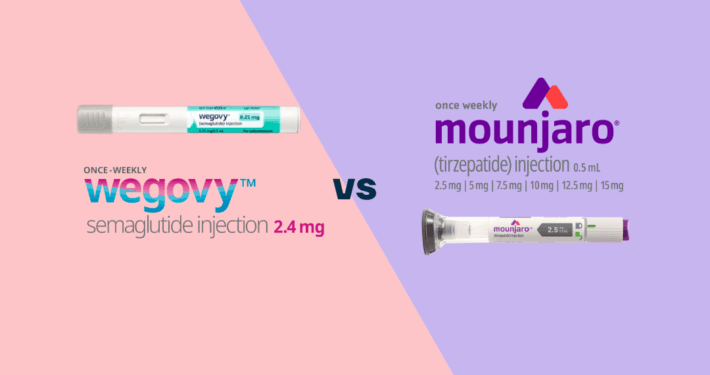
GLP-1 medications like Mounjaro (tirzepatide) and Wegovy (semaglutide) reduce hunger and cravings, helping us lose weight by eating fewer calories.
Still, it’s important to focus on what we’re eating to prevent muscle loss and nutrient deficiencies.
Many people taking GLP-1 medications find that the hardest part isn’t hunger, it’s the daily decision of what to cook.
When our hunger and energy levels are low, planning meals from scratch every day can be overwhelming.
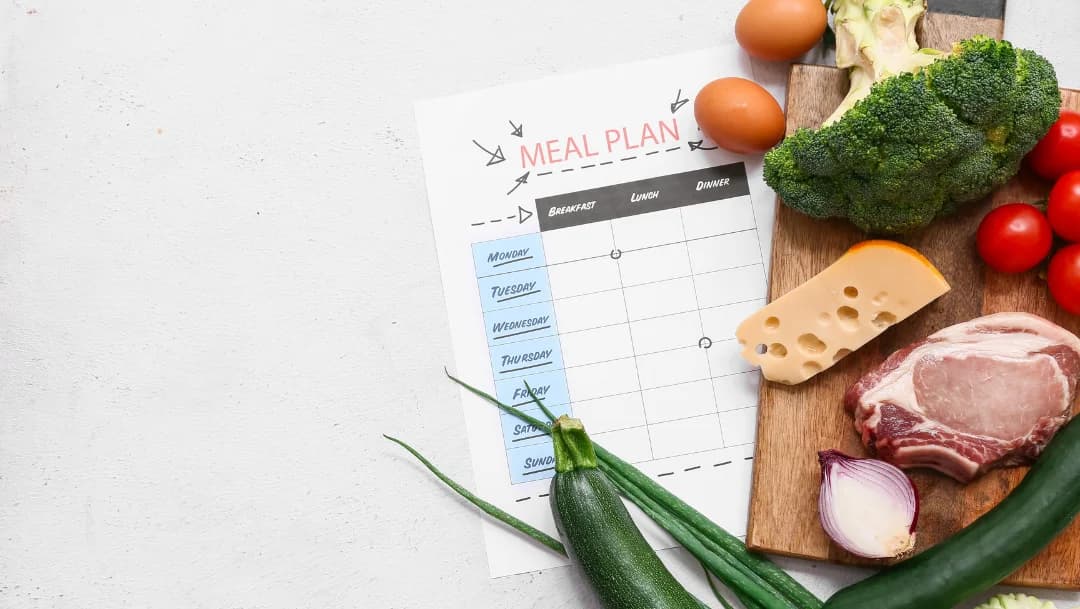
Our free meal plan generator creates a personalised weekly plan from 687 dietitian-developed recipes, tailored to your dietary preferences, cooking schedule, and GLP-1-specific needs, such as high-protein meals and nausea-friendly options.
Important safety information: GLP-1 receptor agonists, including Mounjaro (tirzepatide) and Wegovy (semaglutide), are prescription-only medications for managing obesity and type 2 diabetes. This article is for informational purposes only. Always consult with your healthcare provider before making significant changes to your diet while taking any medication.
Why what you eat on GLP-1s is important
When we have lower hunger levels and we’re in a calorie deficit, every meal needs to provide enough protein, fibre, and essential nutrients to keep our energy stable, support our immune system, and maintain our muscle mass.
Research suggests that protein intakes of 1.2 to 1.6g per kilogram of body weight a day are needed to preserve lean muscle mass during weight loss1.
For someone weighing 80kg, that is roughly 96 to 128g of protein spread across the day. The balanced plate model is a practical way to hit these targets without counting anything.
At each meal, aim for roughly:
- A quarter of your plate as protein (about a palm-sized portion): chicken, fish, eggs, Greek yoghurt, tofu, or legumes. Aim for 25 to 35g of protein per meal.
- Half your plate as vegetables: leafy greens, broccoli, peppers, courgettes, tomatoes, and mushrooms. The fibre helps to maintain a healthy gut.
- A quarter as complex carbohydrates: brown rice, quinoa, sweet potato, oats, or wholegrain bread. These are digested more slowly and support stable energy levels.
- A thumb-sized portion of healthy fat: extra virgin olive oil, avocado, nuts, or oily fish like salmon.

If your hunger is very low and you’re struggling to eat your meals, eat the protein portion first. This is the most important macronutrient to prioritise when you can’t manage a full meal1.
Managing side effects through food
The way you eat can help manage common GLP-1 side effects. Clinical recommendations for managing gastrointestinal side effects suggest that dietary adjustments are often the most effective first step2.
For nausea
Nausea is the most commonly reported side effect, particularly during dose increases3. A few practical adjustments can help:
- Eat smaller, more frequent meals rather than three large ones
- Try cold or room-temperature foods, which are often easier to tolerate than hot meals
- Ginger tea or ginger supplements may help settle your stomach
- Avoid lying down immediately after eating
The meal plan generator includes a ‘nausea-friendly’ filter that prioritises gentler recipes for days when your stomach is more sensitive.
For constipation
GLP-1 medications slow digestion, which can cause constipation. Gradually increasing fibre from whole foods can help, but adding too much fibre at once can make things worse.
- Include berries, ground flaxseeds, and leafy greens regularly
- Aim for at least 2 litres of water daily
- Move your body regularly, even short walks can help
For fatigue
Low energy is common, especially in the early weeks. Consistent protein intake throughout the day helps stabilise energy levels.
- Don’t skip meals, even if your hunger is low
- Include iron-rich foods like lean red meat, spinach, and lentils
- If you are reducing your meat intake, consider vitamin B12 sources or supplements
How the meal plan generator works
The tool draws from our full database of 687 recipes, all developed by Second Nature’s registered dietitians and nutritionists.
It applies your dietary filters first (vegetarian, vegan, dairy-free, or gluten-free), then scores remaining recipes based on your GLP-1 preferences: high protein content, nausea-friendly ingredients, and cooking time.
The generator also builds in leftover scheduling to reduce food waste and produces a merged shopping list so you only buy what you need.
Every recipe links directly to the full method on our recipe pages with step-by-step instructions.
Frequently asked questions
Is the meal plan generator free?
Yes. The tool is completely free and does not require an account or sign-up.
Are the recipes suitable for all GLP-1 medications?
Yes. The recipes work for people taking Mounjaro (tirzepatide), Wegovy (semaglutide), Saxenda (liraglutide), or Ozempic (semaglutide).
The high-protein and nausea-friendly filters are particularly useful during dose titration periods when side effects tend to be strongest3.
Can I use this if I have dietary requirements?
The tool supports vegetarian, vegan, dairy-free, and gluten-free diets. Selecting vegan automatically applies vegetarian and dairy-free filters as well.
How much protein should I be eating on GLP-1 medication?
Research recommends 1.2 to 1.6g of protein per kilogram of body weight daily to preserve muscle mass during weight loss1.
For someone weighing 75kg, that is roughly 90-120g of protein spread throughout the day. The generator prioritises high-protein recipes to help you meet this target.
Do I need to count calories while taking GLP-1 medication?
Calorie counting isn’t necessary. The medication naturally helps reduce your portion sizes, so focusing on food quality is usually more effective than tracking numbers. Use the balanced plate model as a guide instead.
What should I eat on days when I have no appetite?
If you’re finding your appetite is very low, and you’re struggling to eat, we’d recommend speaking with your prescriber about your dose.
Plus, we’d recommend prioritising foods that are easier to digest to ensure you’re still getting in sufficient nutrition, even on days when you don’t feel like eating.
Smoothies made with Greek yoghurt or protein powder, scrambled eggs, or a simple bowl of soup can help you get essential nutrients without needing to eat a full meal.
Will my food preferences change on GLP-1 medication?
Many people notice that foods they previously enjoyed, particularly high-sugar and high-fat options, become less appealing.
Some people also find that their tolerance for spicy or rich foods changes. This is a normal effect of the medication and often supports healthier food choices naturally.
Who developed the recipes?
All 687 recipes were developed by Second Nature’s team of registered dietitians and nutritionists. They focus on nutrient-dense whole foods and are designed to support weight loss while meeting your body’s nutritional needs.
Should I follow a low-carb diet with GLP-1 medication?
There is no evidence that low-carb diets enhance the effectiveness of GLP-1 medications.
A balanced approach with quality carbohydrates from vegetables, fruits, and whole grains is typically more sustainable and nutritionally complete.
If you prefer to follow a lower-carb diet, that’s fine, but make sure you’re still getting enough fibre.
Can I use the meal plan generator if I am not on GLP-1 medication?
Yes. The recipes are balanced, high-protein meals suitable for anyone looking to eat well.
The GLP-1-specific features, such as nausea-friendly filters, simply add an extra layer of personalisation for people on medication.
Second Nature's Mounjaro and Wegovy programmes
Second Nature provides Mounjaro or Wegovy as part of our Mounjaro and Wegovy weight-loss programmes.
Why choose Second Nature over other medication providers, assuming you're eligible?
Because peace of mind matters.
We've had the privilege of working with the NHS for over eight years, helping people across the UK take meaningful steps toward a healthier, happier life.
Our programmes are designed to meet people where they are, whether that means support with weight loss through compassionate one-to-one health coaching, or access to the latest weight-loss medications (like Mounjaro and Wegovy) delivered alongside expert care from a multidisciplinary team of doctors, psychologists, dietitians, and personal trainers.
At the heart of everything we do is a simple belief: real, lasting change comes from building better habits, not relying on quick fixes. We're here to support that change every step of the way.
With over a decade of experience, thousands of lives changed, and a long-standing record of delivering programmes used by the NHS, we believe we're the UK's most trusted weight-loss programme.
We hope to offer you something invaluable: peace of mind, and the support you need to take that first step.
References
- Phillips SM, Chevalier S, Leidy HJ. (2016). Protein “requirements” beyond the RDA: implications for optimizing health. Applied Physiology, Nutrition, and Metabolism, 41(5), 565-572.
- Gorgojo-Martínez JJ, et al. (2022). Clinical recommendations to manage gastrointestinal adverse events in patients treated with GLP-1 receptor agonists: A multidisciplinary expert consensus. Diabetes Research and Clinical Practice, 194, 110128.
- National Institute for Health and Care Excellence. (2024). Tirzepatide for managing overweight and obesity. NICE Technology Appraisal Guidance [TA1026].