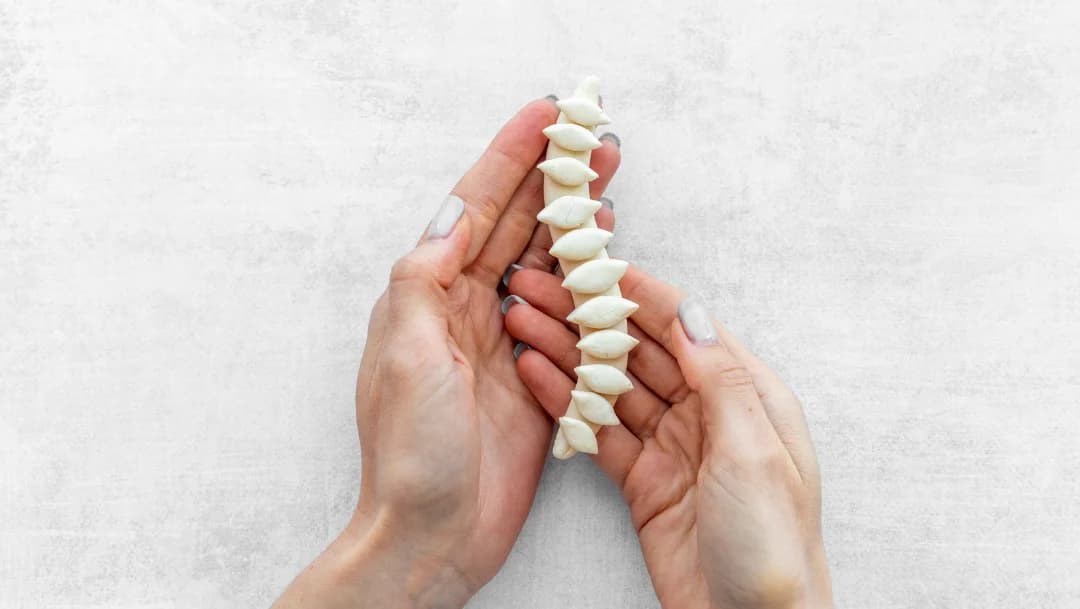
What is osteoporosis?
Osteoporosis is a condition where bones lose density and strength, making them fragile and more likely to break. The word literally means ‘porous bones’.
Our bones are living tissue that’s constantly being broken down and rebuilt.
In osteoporosis, the rate of bone loss outpaces the rate of new bone formation, leaving bones weaker over time.2
Risk factors include:
- Age, particularly being over 50
- Menopause, because declining oestrogen accelerates bone loss
- Family history of osteoporosis or hip fractures
- Long-term use of corticosteroids
- Low body weight or a history of eating disorders
- Low calcium or vitamin D intake
- Physical inactivity
- Smoking and excessive alcohol
Osteoporosis is often called a ‘silent condition’ because there are usually no symptoms until a fracture happens. The most common fracture sites are the wrist, hip, and spine.2
Osteoporosis and obesity
The relationship between weight and bone health is more complicated than it first appears.
Body weight does provide mechanical loading on bones, which stimulates bone formation. This is why very low body weight is a risk factor for osteoporosis.
However, excess body fat isn’t protective in the way it might seem. Visceral fat (the fat stored in and around our organs) produces inflammatory chemicals that can weaken bones over time.
Obesity is also associated with vitamin D deficiency because fat tissue absorbs vitamin D from the bloodstream, reducing the amount available for bone health.3
Research increasingly shows that tissue type determines the risk of developing osteoporosis: muscle mass supports bone health, while excess fat mass may not and can even be harmful to it.3
How Mounjaro works
Mounjaro is a once-a-week injection that contains the drug tirzepatide.
It works by mimicking two gut hormones, GLP-1 and GIP, that communicate with the brain’s appetite centre (the hypothalamus) to reduce hunger and food-seeking behaviour.
It also slows down digestion, so food stays in the stomach longer. This means you feel full sooner and stay satisfied for longer after eating.
In clinical trials, people taking Mounjaro lost up to 26% of their body weight after two years.4
This level of weight loss has clear benefits for conditions like type 2 diabetes, heart disease, and joint pain.
For someone with osteoporosis, the benefits of weight loss need to be balanced with the right approach to protect bone health during the process.
Weight loss and bone health
Weight loss, regardless of how it’s achieved, can reduce bone mineral density. This happens because the mechanical loading on bones decreases as body weight drops, and calorie restriction can reduce the availability of nutrients needed for bone maintenance.1
Data from GLP-1 medication trials confirm this effect. The SURMOUNT programme found reductions in bone mineral density at some sites in participants taking tirzepatide, though fracture rates were not increased.1
This doesn’t mean you shouldn’t lose weight if you have osteoporosis. Obesity itself carries health risks that often outweigh the bone-related concerns of weight loss, but it’s important to focus on how you lose weight.
Lose weight slowly and sustainably
Rapid weight loss is more harmful to bones than gradual weight loss. Aiming for 0.5-1 lb per week gives your body time to adapt and helps preserve both bone and muscle mass.
Mounjaro doses are increased gradually for this reason, and your prescriber can adjust the pace of dose escalation if needed.
Muscle mass is protective
Muscle directly supports bone health through mechanical loading. The force that muscles exert on bones during movement stimulates bone formation. This is why resistance training and adequate protein intake are essential when losing weight with osteoporosis.
Protecting your bones while losing weight
Research shows that the right combination of nutrition and exercise can preserve bone density during weight loss.
A practical plan includes adequate protein, calcium, vitamin D, and regular weight-bearing exercise.1
If you have osteoporosis and start Mounjaro, we’d recommend:
- Telling your doctor so they can monitor your bone density with regular DEXA scans
- Continuing any osteoporosis medications (like bisphosphonates or denosumab) as prescribed
- Eating enough protein at every meal to preserve muscle mass
- Getting adequate calcium (around 700 mg per day from food, or supplements if needed)
- Taking a vitamin D supplement, especially in the UK, where sunlight is limited for much of the year
- Including weight-bearing exercise regularly
Foods to focus on with osteoporosis
What you eat during weight loss directly affects whether your bones are getting the nutrients they need to stay strong. This is particularly important when Mounjaro reduces your hunger, and you’re eating less; every meal needs to be nutrient-dense to provide your body with everything it needs to support bone health while you’re losing weight.
Protein at every meal
Protein preserves muscle mass during weight loss, and muscle directly supports bone health. Research shows that higher protein intake during weight loss helps protect both muscle and bone.1
Good sources include chicken, turkey, red meat, fish, eggs, Greek yoghurt, beans and lentils, tofu, and cottage cheese. Aim for a palm-sized portion at each meal.
Calcium-rich foods
Calcium is the primary mineral in bone tissue. Adults need around 700 mg per day, and some guidelines recommend more for people with osteoporosis.2
Dairy is the most concentrated dietary source: a glass of milk, a pot of yoghurt, or a matchbox-sized piece of cheese each provides around 200-300 mg of calcium.
If you don’t eat dairy, alternatives include fortified plant milks, tinned sardines (with bones), and tofu made with calcium sulphate.
Leafy greens like kale contain calcium, but the amount your body can absorb varies by type of green leafy vegetable due to the presence of ‘anti-nutrients’ called oxalates.
High-oxalate greens such as spinach are poor sole sources of calcium, while low-oxalate greens like kale can contribute to calcium intake.
If you struggle to get enough calcium from food, particularly on days when Mounjaro reduces your appetite, a calcium supplement may be worth discussing with your doctor.
Vitamin D
Vitamin D helps your body absorb calcium. Without adequate vitamin D, dietary calcium can’t be used effectively for bone formation.
In the UK, it’s difficult to get enough vitamin D from sunlight between October and March, and obesity is associated with lower vitamin D levels because fat tissue absorbs the vitamin.3
Research shows that a vitamin D supplement of 800-1000 IUs is safe and effective at boosting and maintaining vitamin D levels. If you have osteoporosis, your doctor may recommend a higher dose.
Complex carbohydrates
Fibre-rich carbohydrates provide steady energy and support gut health, which is relevant because calcium absorption happens in the gut.
Choose from wholegrain or sourdough bread, rolled oats, brown rice, potato, sweet potato, quinoa, beans and lentils, wholemeal pasta or noodles, and wholemeal couscous.
Vegetables and fruit
Aim to fill half your plate with vegetables at main meals. Leafy greens like kale, broccoli, and spring greens provide some calcium alongside vitamins and minerals that support bone metabolism.
Fruit and vegetables also provide potassium and magnesium, both of which contribute to bone health.
Please note that vegetables containing high levels of oxalates, like spinach, should be consumed in moderation to encourage the absorption of calcium.
Eating 3 balanced meals a day, even if you’re not hungry
Mounjaro significantly reduces appetite, making it difficult to get enough protein, calcium, and calories to support bone health.
We recommend eating 3 balanced meals a day, even if you’re not hungry. If you’re struggling to eat your meals, try splitting them up into 5 smaller ones and eating every 2-3 hours instead of every 3-5.
On days when you’re really struggling to eat, prioritise easier-to-digest meals like Greek yoghurt with berries and nuts, which provide protein, calcium, and healthy fats in a small portion. A smoothie with milk, berries, and protein powder is another option.
Movement and bone health
Weight-bearing exercise is one of the most effective ways to maintain and build bone density.
When your muscles pull on your bones during exercise, it stimulates the cells responsible for forming new bone tissue.5
The most important thing is that any movement is better than none. You don’t need to hit any particular target. Building small, consistent habits matters more than following an intensive programme.
Starting small and building habits
Research on habit formation shows that it takes an average of 66 days for a new behaviour to become automatic.6
Start with something so small it barely feels like effort, and attach it to something you already do.
A 10-minute walk after lunch, or a few minutes of standing exercises while the kettle boils, is enough to start. Once that feels natural, gradually do a little more as it feels manageable.
Weight-bearing exercises
Weight-bearing exercise means any activity where you’re supporting your own body weight. This provides the mechanical loading that stimulates bone formation.5
Good options include:
- Walking at a brisk pace
- Stair climbing
- Dancing
- Low-impact aerobics
- Gardening and carrying shopping
Resistance training
Resistance training is particularly valuable for osteoporosis because it directly loads bones and builds the muscle mass that supports them. Even light resistance exercises can help.
Options include bodyweight exercises (squats, wall press-ups, heel raises), resistance bands, or light free weights.
If you’re new to resistance training, a physiotherapist can help you start safely, especially if you’ve had previous fractures.
Balance and fall prevention
Falls are the leading cause of fractures in people with osteoporosis.
Balance exercises reduce the risk of falling and can be done at home: standing on one leg while holding a chair, heel-to-toe walking, or tai chi are all effective.5
As a general guide, the NHS recommends 150 minutes of moderate activity per week, but this is a long-term aspiration, not a starting point. Begin wherever you are and build up gradually.
Looking after your mental health
Living with osteoporosis can affect mental health in ways that aren’t always obvious.
Research shows that people with osteoporosis have higher rates of anxiety and depression, particularly related to fear of falling and fractures.7
The fear of fractures can lead some people to reduce their physical activity, which, ironically, makes bones weaker and increases the risk of falls. It can also affect confidence, social activities, and quality of life.
Body image and weight loss
Losing weight while managing a bone condition can feel like a balancing act, and the constant monitoring and dietary considerations can be stressful. It’s important to remember that you don’t need to get everything right all the time.
When to speak to your GP
If you notice persistent low mood, increased anxiety about falling, loss of confidence, or withdrawal from activities you used to enjoy, speak to your GP.
These are treatable concerns, and addressing them can also help you stay more active, which benefits your bones.
Managing osteoporosis, weight loss, and medication simultaneously is a lot to juggle. You don’t have to figure it all out alone.
Mounjaro clinical data
| Measure |
Detail |
| Drug |
Tirzepatide |
| Mechanism |
Dual GLP-1 and GIP receptor agonist |
| Administration |
Once-a-week subcutaneous injection |
| Available doses |
2.5 mg, 5 mg, 7.5 mg, 10 mg, 12.5 mg, 15 mg |
| Weight loss (clinical trials) |
Up to 26% of body weight after two years4 |
| Key trial programme |
SURMOUNT (obesity), SURPASS (type 2 diabetes) |
| Common side effects |
Nausea, diarrhoea, constipation, reduced appetite (typically most noticeable during dose increases) |
| Known interaction with osteoporosis |
No direct interaction. Weight loss can reduce bone mineral density, requiring protective measures1 |
| Bone health consideration |
Adequate protein, calcium, vitamin D, and weight-bearing exercise during weight loss help preserve bone density |
Frequently asked questions
Will Mounjaro make my osteoporosis worse?
Mounjaro itself doesn’t directly affect bones. However, the weight loss it supports can reduce bone mineral density, which is a concern if you already have osteoporosis. This is manageable with adequate protein, calcium, vitamin D, and weight-bearing exercise.
Your doctor should monitor your bone density with regular DEXA scans.1
Can I take Mounjaro alongside my osteoporosis medication?
There are no known interactions between tirzepatide and common osteoporosis medications, including bisphosphonates (alendronic acid, risedronate) and denosumab.
Continue taking your osteoporosis medication as prescribed and inform your prescriber about starting Mounjaro.
How quickly should I lose weight if I have osteoporosis?
Aim for 0.5-1 lb per week. Rapid weight loss is more harmful to bones than gradual loss.
Your prescriber can adjust the Mounjaro dose escalation to support a slower rate of weight loss if needed.
Do I need a calcium supplement on Mounjaro?
If you can get 700 mg or more of calcium from food daily, you may not need a supplement.
However, with Mounjaro reducing your appetite, it can be harder to eat enough calcium-rich foods. Discuss supplementation with your doctor, especially if you don’t eat dairy.
What’s the best exercise for osteoporosis?
Weight-bearing exercise (walking, stair climbing, dancing) and resistance training (bodyweight exercises, resistance bands, light weights) are both effective for maintaining bone density.
Balance exercises also help reduce the risk of falls. Start gently and build up.5
Can I still do high-impact exercise with osteoporosis?
This depends on the severity of your osteoporosis and any previous fractures.
High-impact activities like running and jumping can be beneficial for bone health in some people but may be risky for others.
Speak to your doctor or physiotherapist for personalised advice.
Will losing weight help my osteoporosis?
Losing excess body fat will reduce the levels of harmful compounds in the blood, which can improve the ability of the body to increase bone mineral density.
Additionally, losing excess weight reduces the risk of other health conditions and can improve mobility and balance, potentially reducing the risk of falls.1
I’m going through menopause. Is it safe to take Mounjaro with osteoporosis?
Menopause accelerates bone loss due to declining oestrogen. If you’re postmenopausal with osteoporosis, it’s particularly important to protect your bones during weight loss.
Discuss your individual risk profile with your doctor before starting Mounjaro, and ensure your osteoporosis treatment is optimised.
Should I tell my doctor I’m taking Mounjaro?
Yes. Your doctor should know about all medications you’re taking and may want to increase the frequency of bone density scans while you’re losing weight. They can also advise on calcium and vitamin D supplementation specific to your situation.
Take home message
You can take Mounjaro if you have osteoporosis, but bone health needs specific attention during weight loss.
It’s essential to lose weight gradually, eat adequate protein, calcium, and vitamin D, and engage in weight-bearing exercise.
The weight loss Mounjaro supports has clear benefits for overall health, but for someone with osteoporosis, it’s important to work closely with your healthcare team to monitor your bone density throughout the process.
Second Nature’s Mounjaro programme combines medication with support from registered dietitians and a structured habit-change programme.
It’s built around the balanced plate model (half vegetables, a quarter protein, a quarter complex carbohydrates, plus a serving of fat) and focuses on sustainable changes rather than restrictive dieting.
In a published study, active subscribers on Second Nature’s semaglutide-supported programme lost an average of 19.1% of their body weight at 12 months, with 77.7% achieving at least 10% weight loss.8
Second Nature's Mounjaro and Wegovy programmes
Second Nature provides Mounjaro or Wegovy as part of our Mounjaro and Wegovy weight-loss programmes.
Why choose Second Nature over other medication providers, assuming you're eligible?
Because peace of mind matters.
We've had the privilege of working with the NHS for over eight years, helping people across the UK take meaningful steps toward a healthier, happier life.
Our programmes are designed to meet people where they are, whether that means support with weight loss through compassionate one-to-one health coaching, or access to the latest weight-loss medications (like Mounjaro and Wegovy) delivered alongside expert care from a multidisciplinary team of doctors, psychologists, dietitians, and personal trainers.
At the heart of everything we do is a simple belief: real, lasting change comes from building better habits, not relying on quick fixes. We're here to support that change every step of the way.
With over a decade of experience, thousands of lives changed, and a long-standing record of delivering programmes used by the NHS, we believe we're the UK's most trusted weight-loss programme.
We hope to offer you something invaluable: peace of mind, and the support you need to take that first step.
References
- Shapses, S.A. & Sukumar, D. (2012). Bone metabolism in obesity and weight loss. Annual Review of Nutrition, 32, 287-309.
- NHS. (2024). Osteoporosis.
- Walsh, J.S. & Vilaca, T. (2017). Obesity, type 2 diabetes and bone in adults. Calcified Tissue International, 100(5), 528-535.
- Aronne, L.J. et al. (2024). Continued treatment with tirzepatide for maintenance of weight reduction in adults with obesity: the SURMOUNT-4 randomised clinical trial. JAMA, 331(1), 38-48.
- Royal Osteoporosis Society. (2024). Exercise for bones.
- Lally, P. et al. (2010). How are habits formed: modelling habit formation in the real world. European Journal of Social Psychology, 40(6), 998-1009.
- Cizza, G. et al. (2009). Depression as a risk factor for osteoporosis. Trends in Endocrinology and Metabolism, 20(8), 367-373.
- Richards, R. et al. (2025). A remotely delivered GLP-1RA-supported specialist weight management program in adults living with obesity: retrospective service evaluation. JMIR Formative Research, 9(1), e72577.