What is depression?
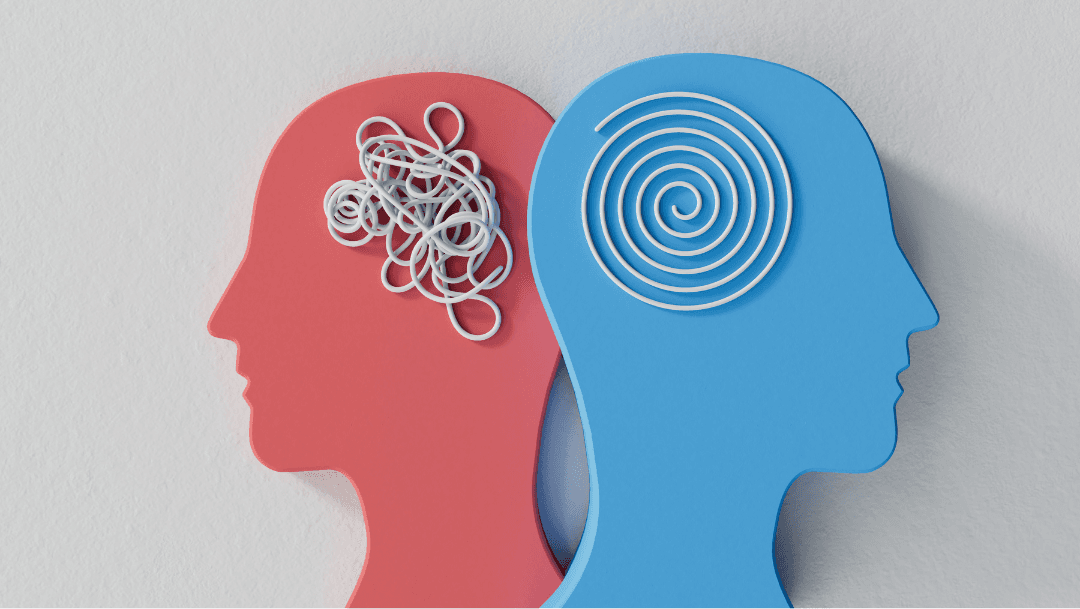
Depression (major depressive disorder) is a mental health condition that causes persistent low mood and loss of interest in activities. It goes beyond feeling sad or having a bad week; it’s a clinical condition that affects how you think, feel, and function daily.3
Depression affects around 1 in 6 adults in the UK at any given time. Common symptoms include:
- Persistent low mood or feelings of sadness
- Loss of interest or pleasure in activities you used to enjoy
- Fatigue and low energy, even after sleeping
- Changes in appetite, either eating more or less than usual
- Sleep problems, including insomnia or sleeping too much
- Difficulty concentrating or making decisions
- Feelings of worthlessness or excessive guilt
- In severe cases, thoughts of self-harm or suicide
Depression is treatable. The most effective approaches include cognitive behavioural therapy (CBT), antidepressant medication, or a combination of both. If you’re experiencing symptoms, speak to your GP.3
How Mounjaro works
Mounjaro is a once-a-week injection that contains the drug tirzepatide. It works by mimicking two gut hormones, GLP-1 and GIP, that communicate with the brain’s appetite centre (the hypothalamus) to reduce hunger and food-seeking behaviour.
It also slows down digestion, so food stays in the stomach longer. This means you feel full sooner and stay satisfied for longer after eating.
In clinical trials, people taking Mounjaro lost up to 26% of their body weight after two years.4
For someone with depression, Mounjaro may help in several ways: by reducing the emotional eating and comfort eating that often accompany depression, by supporting weight loss that can improve mood and self-esteem, and potentially through direct effects on brain chemistry.
Depression and weight
The relationship between depression and obesity is one of the most well-studied in mental health research. Each condition increases the risk of the other, creating a cycle that can feel impossible to break.2
How depression affects weight
Depression changes eating patterns. Some people lose their appetite and eat less, but many experience increased cravings for high-calorie comfort foods. This is partly biological: depression alters the brain’s reward system, making high-sugar and high-fat foods temporarily more appealing as a source of dopamine.
Depression also reduces motivation and energy, making it harder to cook, plan meals, or exercise. Sleep disruption, which is common in depression, further affects the hormones that regulate hunger and fullness.
Some antidepressant medications can also contribute to weight gain, particularly mirtazapine and certain older tricyclic antidepressants. This adds another layer of difficulty for people managing both conditions.
How weight affects depression
Obesity is associated with chronic low-grade inflammation. Inflammatory markers like C-reactive protein and interleukin-6 are elevated in people with obesity, and these same markers are also associated with depression. Research increasingly suggests that inflammation may be a shared biological mechanism linking the two conditions.2
Weight stigma and discrimination also play a significant role. Negative experiences related to body weight, whether from healthcare professionals, employers, or social situations, can trigger and worsen depressive symptoms.
Weight loss can help
Clinical research consistently shows that intentional weight loss is associated with improvements in depressive symptoms. A systematic review found that weight loss, whether through lifestyle changes, medication, or surgery, led to significant reductions in depression scores.5
The improvements appear to come from multiple sources: reduced inflammation, better sleep, increased physical activity, improved self-esteem, and greater social participation.
Mounjaro and mental health
Emerging research suggests that GLP-1 medications may have effects on brain function that go beyond weight loss.
GLP-1 receptors are expressed in brain regions involved in mood regulation, including the hippocampus (involved in memory and emotional processing) and the prefrontal cortex (involved in decision-making and emotional control). Activating these receptors may influence neurotransmitter signalling and reduce neuroinflammation.1
A large observational study found that people prescribed tirzepatide had a 65% lower likelihood of being diagnosed with depression compared to those not taking the medication.6 This is an association, not proof that Mounjaro treats depression; it could reflect the benefits of weight loss, direct brain effects, or both.
In the SURMOUNT-1 trial, participants taking Mounjaro showed significant improvements across several mental health measures, including emotional functioning, social interactions, and overall psychological wellbeing, compared to those taking a placebo.7
While these findings are encouraging, Mounjaro is not a treatment for depression. If you have depression, continue your existing treatment and discuss any changes with your mental health team.
Taking Mounjaro with antidepressants
There are no known drug interactions between tirzepatide and common antidepressant medications. This includes:
- SSRIs: sertraline, citalopram, fluoxetine, escitalopram, paroxetine
- SNRIs: venlafaxine, duloxetine
- Mirtazapine
- Tricyclic antidepressants: amitriptyline, nortriptyline
Gastric emptying and oral medications
Mounjaro slows gastric emptying, which means oral medications stay in the stomach longer than usual. In theory, this could affect how quickly antidepressants are absorbed. In practice, most antidepressants have long half-lives and steady-state levels that are unlikely to be meaningfully affected by slightly slower absorption.
If you notice any changes in how your antidepressant feels after starting Mounjaro, let your prescriber know. They may want to check your levels or adjust timing.
Weight gain from antidepressants
Some antidepressants are associated with weight gain, particularly mirtazapine. If weight management is a concern and you’re on an antidepressant known to promote weight gain, discuss this with your doctor. They may consider whether an alternative medication that’s weight-neutral (like sertraline) would be appropriate, or whether Mounjaro can help counterbalance the weight gain.
Never change or stop your antidepressant without medical guidance. Abruptly stopping antidepressants can cause withdrawal symptoms and a return of depression.
Foods to focus on with depression
Research increasingly shows that diet quality is associated with depression risk. The landmark SMILES trial demonstrated that dietary improvement (moving towards a Mediterranean-style diet) significantly reduced depressive symptoms in people with moderate to severe depression.8
Protein at every meal
Protein provides amino acids that are essential for producing neurotransmitters, including serotonin (involved in mood regulation) and dopamine (involved in motivation and reward). Tryptophan, found in protein-rich foods, is the precursor to serotonin.
Good sources include chicken, turkey, fish, eggs, Greek yoghurt, beans and lentils, and tofu.
Omega-3 fatty acids
Omega-3s have anti-inflammatory properties and are important for brain structure and function. A meta-analysis found that omega-3 supplementation, particularly EPA (eicosapentaenoic acid), had a significant effect on reducing depressive symptoms.9
Include oily fish (salmon, mackerel, sardines) at least twice a week, along with walnuts, flaxseeds, and chia seeds.
Vegetables and fruit
Aim to fill half your plate with vegetables at main meals. They provide fibre that supports gut health (the gut produces around 95% of the body’s serotonin), along with folate and other B vitamins that are involved in neurotransmitter production.
Leafy greens, cruciferous vegetables (broccoli, cauliflower), and colourful fruits and vegetables all contribute to a varied, nutrient-dense diet.
Complex carbohydrates
Fibre-rich carbohydrates support steady blood sugar levels and feed beneficial gut bacteria. Both blood sugar stability and gut health are relevant to mood regulation.
Choose from wholegrain or sourdough bread, rolled oats, brown rice, potato, sweet potato, quinoa, beans and lentils, wholemeal pasta or noodles, and wholemeal couscous.
Eating well when motivation is low
Depression saps motivation, and cooking can feel overwhelming on bad days. Mounjaro also reduces appetite, which means eating can feel like a chore. On these days, the goal is simply to eat something nourishing rather than nothing at all.
Keep easy options available: Greek yoghurt with berries, a handful of nuts, scrambled eggs on sourdough, tinned sardines on toast, or a banana with peanut butter. Batch cooking on better days means you’ll have meals ready to reheat when energy is low.
Foods and habits to be mindful of
Alcohol is a depressant and can worsen mood, disrupt sleep, and interact with antidepressant medications. Ultra-processed foods high in sugar and refined carbohydrates have been associated with higher rates of depression in observational studies. Excessive caffeine can disrupt sleep, which worsens depression.
Movement and depression
Exercise is one of the most effective non-medication treatments for depression. A 2023 umbrella review of meta-analyses found that physical activity significantly reduces depressive symptoms, with effects comparable to psychotherapy and pharmacotherapy.10
Exercise improves depression through several mechanisms: it increases serotonin and endorphin levels, reduces cortisol and inflammation, improves sleep quality, and builds self-efficacy and a sense of achievement.
Starting small and building habits
When you’re depressed, the idea of exercising can feel impossibly difficult. The most important thing is that any movement is better than none, and starting extremely small removes the pressure of ‘doing enough’.
Research on habit formation shows that it takes an average of 66 days for a new behaviour to become automatic.11 A five-minute walk to the end of the street, or some gentle stretching while the kettle boils, is a perfectly valid starting point.
Attach the new habit to something you already do, like walking after your morning coffee. Once that feels natural, gradually do a little more as it feels manageable.
Types of movement that work well with depression
Research suggests that both aerobic exercise and resistance training are effective for depression, so the best type of exercise is the one you’ll actually do.10
Options worth trying include:
- Walking outdoors, which combines exercise with natural light exposure (helpful for mood)
- Swimming, which offers a full-body, low-impact workout
- Resistance training, which provides structure, measurable progress, and a sense of control
- Yoga, which combines physical movement with breathing and mindfulness
- Group activities, which add a social element that can help with the isolation depression causes
Natural light exposure during outdoor activity is particularly relevant for depression. Even a short walk outside during daylight hours can help regulate your circadian rhythm and improve mood.
As a general guide, the NHS recommends 150 minutes of moderate activity per week, but this is a long-term aspiration, not a starting point. Begin wherever you are and build up gradually.
Managing your depression
Mounjaro can support weight loss, and weight loss may help reduce depressive symptoms, but it’s not a substitute for proper depression treatment.
Maintaining your treatment
Continue any prescribed antidepressant medication as directed by your doctor. Continue therapy sessions if you’re engaged in them. Don’t reduce or stop antidepressants without medical guidance, even if your mood improves after weight loss.
Monitoring your mood
As you lose weight and your body changes, it’s worth paying attention to your mood. Most people find their depression improves with weight loss, but any major life change can temporarily affect mental health. Keep your GP or mental health team informed about how you’re feeling.
When to seek help urgently
If you experience worsening depression, thoughts of self-harm or suicide, or a return of symptoms you thought had improved, seek help immediately. Contact your GP, call NHS 111, or in a crisis, call the Samaritans on 116 123 (free, 24 hours).
Mounjaro clinical data
| Measure |
Detail |
| Drug |
Tirzepatide |
| Mechanism |
Dual GLP-1 and GIP receptor agonist |
| Administration |
Once-a-week subcutaneous injection |
| Available doses |
2.5 mg, 5 mg, 7.5 mg, 10 mg, 12.5 mg, 15 mg |
| Weight loss (clinical trials) |
Up to 26% of body weight after two years4 |
| Key trial programme |
SURMOUNT (obesity), SURPASS (type 2 diabetes) |
| Common side effects |
Nausea, diarrhoea, constipation, reduced appetite (typically most noticeable during dose increases) |
| Known interaction with antidepressants |
None reported. Safe alongside SSRIs, SNRIs, mirtazapine, and tricyclic antidepressants |
| Potential relevance to depression |
Observational data suggests 65% lower likelihood of depression diagnosis in tirzepatide users; weight loss improves depressive symptoms5,6 |
Frequently asked questions
Can Mounjaro make my depression worse?
There’s no evidence that Mounjaro directly worsens depression. In fact, clinical trial data shows improvements in psychological wellbeing in people taking tirzepatide.7 However, any significant change in routine or health can temporarily affect mood. If you notice worsening depression after starting Mounjaro, speak to your GP.
Can I take Mounjaro with my antidepressant?
Yes. There are no known interactions between tirzepatide and common antidepressants, including SSRIs, SNRIs, mirtazapine, and tricyclic antidepressants. Mounjaro slows gastric emptying, which could slightly affect absorption timing, but this is unlikely to be clinically significant for most antidepressants. Inform your prescriber about all medications you’re taking.
Will losing weight on Mounjaro improve my depression?
Research suggests it may help. Intentional weight loss is consistently associated with improvements in depressive symptoms, likely through reduced inflammation, better sleep, increased activity, and improved self-esteem.5 However, depression is a complex condition and weight is only one factor. Continue your existing depression treatment.
My antidepressant causes weight gain. Will Mounjaro counteract this?
Mounjaro can help counterbalance weight gain from antidepressants by reducing appetite and supporting significant weight loss. Discuss this with your doctor; they may also consider whether a weight-neutral antidepressant alternative would be appropriate for you.
I have no motivation to cook or eat healthily. How do I manage this on Mounjaro?
Start with the simplest possible options. Keep easy, nutritious foods available that require minimal preparation: Greek yoghurt, nuts, tinned fish, eggs, pre-washed salad, and frozen vegetables. Batch cook on days when you have more energy. The goal on low days is to eat something nourishing, not to eat perfectly.
Does Mounjaro directly affect mood, or is it just the weight loss?
Possibly both. GLP-1 receptors are found in brain regions involved in mood regulation, and early research suggests GLP-1 medications may have anti-inflammatory effects in the brain that could influence depression.1 However, this research is still in early stages, and Mounjaro should not be considered a treatment for depression.
I’m worried about losing my appetite completely between Mounjaro and depression.
This is a valid concern. Both Mounjaro and depression can reduce appetite, and some antidepressants (particularly SSRIs) can also affect eating. If you’re struggling to eat enough, focus on nutrient-dense foods in small portions and speak to your healthcare team. They may adjust your Mounjaro dose or suggest nutritional strategies.
Can exercise really help with depression?
Yes. Exercise has strong evidence as a treatment for depression, with effects comparable to therapy and medication in some studies.10 Even small amounts of movement can help. The hardest part is starting, which is why beginning with something tiny (a five-minute walk) matters more than following a structured programme.
Should I tell my psychiatrist or mental health team I’m starting Mounjaro?
Yes. Your mental health team should know about all medications you’re taking. They can monitor whether weight loss or changes in eating patterns affect your depression and adjust your treatment plan if needed.
Take home message
You can take Mounjaro if you have depression. There are no known drug interactions with antidepressants, and emerging research suggests that both the weight loss and the potential direct brain effects of GLP-1 medications may help reduce depressive symptoms over time.
Mounjaro is not a treatment for depression, and it’s important to continue any existing depression treatment alongside weight management. But by reducing emotional eating, supporting weight loss, and potentially influencing mood-regulating brain pathways, it can be a useful part of an overall approach to improving your health.
Alongside medication, focusing on omega-3 rich foods, protein at every meal, and building a gentle movement habit can all support both weight loss and mood. On low days, aim for something rather than nothing, and ask for help when you need it.
Second Nature’s Mounjaro programme combines medication with support from registered dietitians and a structured habit-change programme. It’s built around the balanced plate model (half vegetables, a quarter protein, a quarter complex carbohydrates, plus a serving of fat) and focuses on sustainable changes rather than restrictive dieting.
In a published study, active subscribers on Second Nature’s semaglutide-supported programme lost an average of 19.1% of their body weight at 12 months, with 77.7% achieving at least 10% weight loss.12
Second Nature's Mounjaro and Wegovy programmes
Second Nature provides Mounjaro or Wegovy as part of our Mounjaro and Wegovy weight-loss programmes.
Why choose Second Nature over other medication providers, assuming you're eligible?
Because peace of mind matters.
We've had the privilege of working with the NHS for over eight years, helping people across the UK take meaningful steps toward a healthier, happier life.
Our programmes are designed to meet people where they are, whether that means support with weight loss through compassionate one-to-one health coaching, or access to the latest weight-loss medications (like Mounjaro and Wegovy) delivered alongside expert care from a multidisciplinary team of doctors, psychologists, dietitians, and personal trainers.
At the heart of everything we do is a simple belief: real, lasting change comes from building better habits, not relying on quick fixes. We're here to support that change every step of the way.
With over a decade of experience, thousands of lives changed, and a long-standing record of delivering programmes used by the NHS, we believe we're the UK's most trusted weight-loss programme.
We hope to offer you something invaluable: peace of mind, and the support you need to take that first step.
References
- Grieco, M. et al. (2024). Glucagon-like peptide-1 (GLP-1) receptor agonists and neuroinflammation: implications for neurodegenerative disease treatment. Pharmacological Research, 186, 106550.
- Luppino, F.S. et al. (2010). Overweight, obesity, and depression: a systematic review and meta-analysis of longitudinal studies. Archives of General Psychiatry, 67(3), 220-229.
- NHS. (2024). Depression in adults.
- Aronne, L.J. et al. (2024). Continued treatment with tirzepatide for maintenance of weight reduction in adults with obesity: the SURMOUNT-4 randomised clinical trial. JAMA, 331(1), 38-48.
- Fabricatore, A.N. et al. (2011). Intentional weight loss and changes in symptoms of depression: a systematic review and meta-analysis. International Journal of Obesity, 35(11), 1363-1376.
- EPIC Research. (2024). Most GLP-1 medications correlated with a lower likelihood of anxiety and depression diagnoses.
- Wadden, T.A. et al. (2023). Tirzepatide after intensive lifestyle intervention in adults with overweight or obesity: the SURMOUNT-3 phase 3 trial. Nature Medicine, 29, 2909-2918.
- Jacka, F.N. et al. (2017). A randomised controlled trial of dietary improvement for adults with major depression (the ‘SMILES’ trial). BMC Medicine, 15(1), 23.
- Liao, Y. et al. (2019). Efficacy of omega-3 PUFAs in depression: a meta-analysis. Translational Psychiatry, 9(1), 190.
- Singh, B. et al. (2023). Effectiveness of physical activity interventions for improving depression, anxiety and distress: an overview of systematic reviews. British Journal of Sports Medicine, 57(18), 1203-1209.
- Lally, P. et al. (2010). How are habits formed: modelling habit formation in the real world. European Journal of Social Psychology, 40(6), 998-1009.
- Richards, E. et al. (2025). Weight loss outcomes in a digitally delivered, medicated weight management programme in the United Kingdom. JMIR Formative Research, 9(1), e72577.