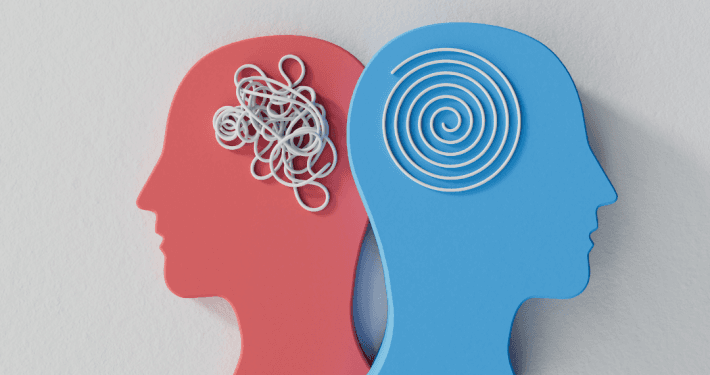
What is anxiety?
Anxiety is a mental health condition characterised by persistent, excessive worry that’s difficult to control and affects daily functioning. It goes beyond normal stress or worry that everyone experiences from time to time.3
Generalised anxiety disorder (GAD) is the most common form, but anxiety also includes panic disorder, social anxiety, health anxiety, and specific phobias. Common symptoms include:
- Persistent worry or a sense of dread that’s hard to switch off
- Restlessness and difficulty relaxing
- Difficulty concentrating or mind going blank
- Sleep problems, including trouble falling or staying asleep
- Physical symptoms like rapid heartbeat, sweating, muscle tension, and stomach problems
- Irritability
- Avoidance of situations that trigger anxiety
Anxiety is treatable. The most effective approaches include cognitive behavioural therapy (CBT), medication (typically SSRIs or SNRIs), or a combination of both.3
How Mounjaro works
Mounjaro is a once-a-week injection that contains the drug tirzepatide. It works by mimicking two gut hormones, GLP-1 and GIP, that communicate with the brain’s appetite centre (the hypothalamus) to reduce hunger and food-seeking behaviour.
It also slows down digestion, so food stays in the stomach longer. This means you feel full sooner and stay satisfied for longer after eating.
In clinical trials, people taking Mounjaro lost up to 26% of their body weight after two years.4
For someone with anxiety, the reduction in food-related thoughts and cravings that Mounjaro provides may help break cycles of stress eating. And the weight loss itself can improve anxiety symptoms through reduced inflammation and improved self-confidence.
Anxiety and weight
The relationship between anxiety and obesity is bidirectional, meaning each condition can contribute to the development of the other.2
How anxiety affects weight
Anxiety can lead to weight gain through several pathways. Stress eating is one of the most common: when anxious, many people use food as a way to self-soothe, particularly high-sugar and high-fat foods that trigger a temporary dopamine release.
Chronic anxiety also raises cortisol levels. Cortisol promotes fat storage, particularly around the abdomen, and increases appetite. Poor sleep, which commonly accompanies anxiety, further disrupts the hormones that regulate hunger and satiety.
Anxiety can also make it harder to maintain healthy routines. When you’re overwhelmed by worry, meal planning, cooking, and exercise can feel like too much to manage.
How weight affects anxiety
Obesity is associated with chronic low-grade inflammation, and inflammatory markers have been linked to anxiety symptoms. Excess body weight can also disrupt the gut-brain axis, the communication system between the digestive system and the brain that influences mood regulation.
Weight stigma is another significant factor. Experiences of discrimination, judgement, or shame related to body weight can trigger and worsen anxiety, creating a cycle that’s difficult to break.
Weight loss can help
Clinical research shows that weight loss is associated with improvements in anxiety symptoms. A meta-analysis found that intentional weight loss, whether through lifestyle changes or medication, led to significant reductions in anxiety scores.5
Mounjaro and mental health
Emerging research suggests that GLP-1 medications like Mounjaro may have direct effects on brain function beyond weight loss.
GLP-1 receptors are found in brain regions involved in mood regulation, including the hippocampus and amygdala. Animal research suggests that activating these receptors may have anxiolytic (anxiety-reducing) effects, though human research is still in early stages.1
One large observational study found that people prescribed tirzepatide had a 60% lower likelihood of being diagnosed with anxiety compared to those not taking the medication.6 This is an association rather than proof of causation; it could reflect the benefits of weight loss, the direct brain effects of the medication, or a combination of both.
In the SURMOUNT-1 trial, participants taking Mounjaro showed improvements in quality of life scores, including emotional and psychological wellbeing, compared to those taking a placebo.7
While these findings are encouraging, Mounjaro is not a treatment for anxiety. If you have anxiety, continue your existing treatment and discuss any changes with your mental health team.
Foods to focus on with anxiety
Diet alone won’t treat anxiety, but what you eat can influence the biological processes that contribute to it, including inflammation, gut health, and blood sugar stability.
Protein at every meal
Protein provides the amino acids your body needs to produce neurotransmitters, including serotonin and dopamine, which are involved in mood regulation. Steady protein intake also helps stabilise blood sugar, preventing the crashes that can mimic or worsen anxiety symptoms.
Good sources include chicken, turkey, fish, eggs, Greek yoghurt, beans and lentils, and tofu.
Omega-3 fatty acids
Omega-3s have anti-inflammatory properties and play a role in brain function. Research suggests that omega-3 supplementation may have a small but significant effect on reducing anxiety symptoms.8
Include oily fish (salmon, mackerel, sardines) at least twice a week, along with walnuts, flaxseeds, and chia seeds.
Vegetables and fruit
Aim to fill half your plate with vegetables at main meals. They provide fibre that supports gut health (which influences mood through the gut-brain axis), along with vitamins and antioxidants that help manage inflammation.
Leafy greens are particularly worth including, as they provide magnesium, a mineral that plays a role in the nervous system and is sometimes low in people with anxiety.
Complex carbohydrates
Fibre-rich carbohydrates help maintain steady blood sugar levels. Blood sugar crashes can trigger symptoms that feel very similar to anxiety, including shakiness, rapid heartbeat, and irritability, so avoiding these dips matters.
Choose from wholegrain or sourdough bread, rolled oats, brown rice, potato, sweet potato, quinoa, beans and lentils, wholemeal pasta or noodles, and wholemeal couscous.
Eating well when appetite is low
Both anxiety and Mounjaro can reduce appetite, and some anti-anxiety medications also affect eating patterns. On low-appetite days, focus on nutrient-dense options: Greek yoghurt with berries, a handful of nuts, scrambled eggs on sourdough, or a smoothie with banana and protein powder.
Try to eat at regular intervals even if you’re not hungry, as skipping meals can worsen both blood sugar instability and anxiety symptoms.
Foods and habits to be mindful of
Caffeine can directly worsen anxiety symptoms by stimulating the nervous system. If you’re sensitive to caffeine, consider reducing your intake or switching to decaffeinated options. Alcohol may feel calming initially but disrupts sleep and can increase anxiety the following day. Ultra-processed foods high in sugar can cause blood sugar swings that mimic anxiety.
Movement and anxiety
Exercise is one of the most effective non-medication strategies for managing anxiety. A 2019 meta-analysis found that physical activity significantly reduces anxiety symptoms, with effects comparable to some medication and psychological treatments.9
Exercise reduces anxiety through several mechanisms: it lowers cortisol levels, increases endorphins and serotonin, provides a distraction from worried thoughts, and builds a sense of achievement and self-efficacy.
Starting small and building habits
If anxiety makes the idea of exercise feel overwhelming, the most important thing is to start extremely small. Research on habit formation shows that it takes an average of 66 days for a new behaviour to become automatic.10 Starting with something manageable removes the pressure.
A five-minute walk around the block, or some gentle stretching at home, is enough to start. Attach it to something you already do, like a walk after your morning coffee. Once that feels natural, gradually do a little more as it feels manageable.
Types of movement that work well with anxiety
Different types of exercise may suit different people depending on their anxiety patterns:
- Walking outdoors, which combines gentle exercise with the calming effects of being in nature
- Swimming, where the rhythmic movement and water immersion can be soothing
- Yoga, which combines physical movement with breathing techniques and mindfulness
- Resistance training, which provides structure, measurable progress, and a sense of control
- Group classes, which add a social element (though this may feel daunting if you have social anxiety; start with solo activities if that’s more comfortable)
Avoid exercising late in the evening if it affects your sleep, as poor sleep can worsen anxiety.
As a general guide, the NHS recommends 150 minutes of moderate activity per week, but this is a long-term aspiration, not a starting point. Begin wherever you are and build up gradually.
Managing your anxiety
Mounjaro can support weight loss, and weight loss may help reduce anxiety symptoms, but it isn’t a substitute for proper anxiety treatment. If you have an anxiety disorder, continuing your existing treatment is essential.
Maintaining your treatment
Continue any prescribed anxiety medications (SSRIs, SNRIs, or other treatments) as directed by your doctor. Continue therapy sessions (CBT, counselling, or other approaches) if you’re engaged in them. Don’t reduce or stop anxiety medication without medical guidance, even if you feel better.
Anxiety and starting a new medication
Starting any new medication can itself be a source of anxiety. Worrying about side effects, whether it will work, and the injection process are all common concerns. It may help to know that Mounjaro’s side effects are typically mild and transient (mainly nausea during dose increases), and many people find the injection easier than expected.
If anxiety about starting Mounjaro is holding you back, discuss your concerns with your prescriber. They can provide reassurance and practical advice about what to expect.
When to speak to your GP
If you notice worsening anxiety, new panic attacks, persistent low mood, or thoughts of self-harm after starting Mounjaro, speak to your GP promptly. While there’s no evidence that Mounjaro worsens anxiety, any change in your circumstances can affect mental health, and it’s important to get support early.
Mounjaro clinical data
| Measure |
Detail |
| Drug |
Tirzepatide |
| Mechanism |
Dual GLP-1 and GIP receptor agonist |
| Administration |
Once-a-week subcutaneous injection |
| Available doses |
2.5 mg, 5 mg, 7.5 mg, 10 mg, 12.5 mg, 15 mg |
| Weight loss (clinical trials) |
Up to 26% of body weight after two years4 |
| Key trial programme |
SURMOUNT (obesity), SURPASS (type 2 diabetes) |
| Common side effects |
Nausea, diarrhoea, constipation, reduced appetite (typically most noticeable during dose increases) |
| Known interaction with anxiety medications |
None reported. Safe alongside SSRIs, SNRIs, and benzodiazepines |
| Potential relevance to anxiety |
Observational data suggests 60% lower likelihood of anxiety diagnosis in tirzepatide users; weight loss improves anxiety symptoms5,6 |
Frequently asked questions
Can Mounjaro make my anxiety worse?
There’s no evidence that Mounjaro directly worsens anxiety. Starting any new medication can feel stressful, and gastrointestinal side effects like nausea may cause temporary discomfort. If you notice a significant increase in anxiety after starting Mounjaro, speak to your prescriber.
Can I take Mounjaro with my anxiety medication?
There are no known interactions between tirzepatide and common anxiety medications, including SSRIs (sertraline, citalopram, fluoxetine), SNRIs (venlafaxine, duloxetine), and benzodiazepines. However, Mounjaro slows gastric emptying, which can affect how quickly oral medications are absorbed. Inform your prescriber about all medications you’re taking.
Will losing weight on Mounjaro reduce my anxiety?
Research suggests it may help. Weight loss is associated with improvements in anxiety symptoms, likely through reduced inflammation, better sleep, and improved self-confidence.5 However, anxiety is a complex condition and weight is only one factor. Continue your existing anxiety treatment.
I stress-eat when I’m anxious. Will Mounjaro help with that?
Many people report that Mounjaro significantly reduces food cravings and the urge to eat for emotional reasons. By lowering appetite signals and food-related thoughts, it can help interrupt stress-eating cycles. However, it’s worth also addressing the underlying anxiety with your healthcare team.
Does Mounjaro directly affect mood, or is it just the weight loss?
Possibly both. GLP-1 receptors are found in brain regions involved in mood regulation, and early research suggests that GLP-1 medications may have direct effects on anxiety and mood beyond weight loss.1 However, this research is still in early stages, and Mounjaro should not be considered a treatment for anxiety.
I’m worried about injecting myself. Can I still take Mounjaro?
Needle anxiety is common and doesn’t mean Mounjaro isn’t right for you. The injection uses a very fine needle and most people describe it as less painful than expected. Your prescriber or pharmacist can talk you through the process. Some people find it helpful to have a friend or family member with them for the first injection.
Can caffeine withdrawal from reducing my intake worsen my anxiety?
Temporarily, yes. If you decide to reduce caffeine because it’s affecting your anxiety, do so gradually rather than stopping abruptly. Reducing by one cup every few days can minimise withdrawal symptoms like headaches and irritability.
Should I tell my therapist or psychiatrist that I’m starting Mounjaro?
Yes. Any significant change in your health or medication should be shared with your mental health team. They can monitor whether weight loss or changes in eating patterns affect your anxiety and adjust your treatment plan if needed.
Is it normal to feel anxious about the side effects of Mounjaro?
Completely normal. Many people feel apprehensive about starting a new medication. It may help to know that Mounjaro’s most common side effects (nausea, reduced appetite) are typically mild and ease over time. Serious side effects are rare. Discuss any specific concerns with your prescriber.
Take home message
You can take Mounjaro if you have anxiety. There are no known drug interactions, and emerging research suggests that both the weight loss and the direct brain effects of GLP-1 medications may help reduce anxiety symptoms over time.
Mounjaro is not a treatment for anxiety, and it’s important to continue any existing anxiety treatment alongside weight management. But by reducing food cravings, supporting weight loss, and potentially influencing mood-regulating brain pathways, it can be a useful part of an overall approach to improving your health.
Alongside medication, focusing on anti-inflammatory foods, building a gentle movement habit, and managing caffeine intake can all help support both weight loss and anxiety management.
Second Nature’s Mounjaro programme combines medication with support from registered dietitians and a structured habit-change programme. It’s built around the balanced plate model (half vegetables, a quarter protein, a quarter complex carbohydrates, plus a serving of fat) and focuses on sustainable changes rather than restrictive dieting.
In a published study, active subscribers on Second Nature’s semaglutide-supported programme lost an average of 19.1% of their body weight at 12 months, with 77.7% achieving at least 10% weight loss.11
Second Nature's Mounjaro and Wegovy programmes
Second Nature provides Mounjaro or Wegovy as part of our Mounjaro and Wegovy weight-loss programmes.
Why choose Second Nature over other medication providers, assuming you're eligible?
Because peace of mind matters.
We've had the privilege of working with the NHS for over eight years, helping people across the UK take meaningful steps toward a healthier, happier life.
Our programmes are designed to meet people where they are, whether that means support with weight loss through compassionate one-to-one health coaching, or access to the latest weight-loss medications (like Mounjaro and Wegovy) delivered alongside expert care from a multidisciplinary team of doctors, psychologists, dietitians, and personal trainers.
At the heart of everything we do is a simple belief: real, lasting change comes from building better habits, not relying on quick fixes. We're here to support that change every step of the way.
With over a decade of experience, thousands of lives changed, and a long-standing record of delivering programmes used by the NHS, we believe we're the UK's most trusted weight-loss programme.
We hope to offer you something invaluable: peace of mind, and the support you need to take that first step.
References
- Grieco, M. et al. (2024). Glucagon-like peptide-1 (GLP-1) receptor agonists and neuroinflammation: implications for neurodegenerative disease treatment. Pharmacological Research, 186, 106550.
- Gariepy, G. et al. (2010). The association between obesity and anxiety disorders in the population: a systematic review and meta-analysis. International Journal of Obesity, 34(3), 407-419.
- NHS. (2024). Generalised anxiety disorder in adults.
- Aronne, L.J. et al. (2024). Continued treatment with tirzepatide for maintenance of weight reduction in adults with obesity: the SURMOUNT-4 randomised clinical trial. JAMA, 331(1), 38-48.
- Fabricatore, A.N. et al. (2011). Intentional weight loss and changes in symptoms of depression: a systematic review and meta-analysis. International Journal of Obesity, 35(11), 1363-1376.
- EPIC Research. (2024). Most GLP-1 medications correlated with a lower likelihood of anxiety and depression diagnoses.
- Wadden, T.A. et al. (2023). Tirzepatide after intensive lifestyle intervention in adults with overweight or obesity: the SURMOUNT-3 phase 3 trial. Nature Medicine, 29, 2909-2918.
- Su, K.P. et al. (2018). Association of use of omega-3 polyunsaturated fatty acids with changes in severity of anxiety symptoms: a systematic review and meta-analysis. JAMA Network Open, 1(5), e182327.
- Stubbs, B. et al. (2017). An examination of the anxiolytic effects of exercise for people with anxiety and stress-related disorders: a meta-analysis. Psychiatry Research, 249, 102-108.
- Lally, P. et al. (2010). How are habits formed: modelling habit formation in the real world. European Journal of Social Psychology, 40(6), 998-1009.
- Richards, E. et al. (2025). Weight loss outcomes in a digitally delivered, medicated weight management programme in the United Kingdom. JMIR Formative Research, 9(1), e72577.