Jump to: Can you take Wegovy with type 2 diabetes? | Wegovy vs Ozempic | How Wegovy helps with type 2 diabetes | Medication interactions | Safety considerations | Foods to focus on | Physical activity | Mental health and type 2 diabetes | When to speak to your GP | FAQs | Take home message
You can take Wegovy (semaglutide) if you have type 2 diabetes. Clinical trials have specifically studied semaglutide 2.4 mg in this population, showing significant benefits for both weight loss and blood sugar control.1
Over 4 million people in the UK live with type 2 diabetes, and the majority are overweight or living with obesity.
Losing 5-10% of body weight can significantly improve insulin sensitivity, HbA1c, and cardiovascular risk factors.
If you have type 2 diabetes and are considering Wegovy, there are important distinctions between Wegovy and its lower-dose counterpart Ozempic, as well as specific safety considerations around hypoglycaemia when combining Wegovy with insulin or sulfonylureas.
Important safety information: This article discusses the use of Wegovy (semaglutide 2.4 mg) in combination with type 2 diabetes medications. This is for informational purposes only. Always consult with your diabetes team before starting or changing any medication. If you take insulin or sulfonylureas, dose adjustments may be needed to reduce the risk of hypoglycaemia.
Wegovy vs Ozempic for type 2 diabetes
Wegovy and Ozempic both contain semaglutide, but they are licensed for different purposes and prescribed at different doses.
|
Wegovy |
Ozempic |
| Drug |
Semaglutide |
Semaglutide |
| UK licence |
Weight management and cardiovascular risk reduction (MHRA-approved July 2024) |
Type 2 diabetes (glycaemic control) |
| Maximum dose |
2.4 mg once a week |
2.0 mg once a week |
| NICE approval |
TA875 (weight management) |
TA916 (type 2 diabetes) |
| Primary goal |
Weight loss and cardiovascular risk reduction |
Blood sugar control |
Ozempic is not licensed for weight management in the UK, even though it contains the same drug. If your primary goal is weight loss alongside type 2 diabetes management, Wegovy at the higher dose may be more appropriate. This decision should be made with your diabetes team.
How Wegovy helps with type 2 diabetes
Semaglutide is a GLP-1 receptor agonist (a type of medication that mimics a hormone our body naturally produces in the gut after eating).
GLP-1 helps regulate blood sugar by stimulating insulin release, lowering blood sugar levels. It also acts on the brain to reduce appetite and food intake.
The STEP 2 trial studied semaglutide 2.4 mg in 1,210 people with type 2 diabetes and overweight or obesity.
After 68 weeks, participants lost an average of 9.6% of their body weight, compared to 3.4% on placebo. HbA1c also reduced by 1.6 percentage points.1
In the same trial, 68.8% of participants on semaglutide achieved at least 5% weight loss, compared to 28.5% on placebo.
Cardiovascular benefits
The SUSTAIN 6 trial found that semaglutide reduced major cardiovascular events (cardiovascular death, non-fatal heart attack, or non-fatal stroke) by 26% in 3,297 people with type 2 diabetes at high cardiovascular risk.2
The SELECT trial, which studied semaglutide 2.4 mg in over 17,000 people with cardiovascular disease, found a 20% reduction in major adverse cardiovascular events.3 This is particularly relevant for people with type 2 diabetes, who have an elevated cardiovascular risk.
Medication interactions
Metformin
There is no pharmacokinetic interaction between semaglutide and metformin. A 2024 systematic review of 10 randomised controlled trials confirmed that the combination significantly improved HbA1c, fasting blood glucose, and BMI compared to metformin alone, with no increase in adverse events.4
Both medications can cause gastrointestinal side effects, so your prescriber may suggest a slower dose escalation if you experience nausea or diarrhoea.
Insulin
Combining Wegovy with insulin increases the risk of hypoglycaemia (low blood sugar). The Wegovy prescribing information advises that insulin doses should be reduced when starting semaglutide.5
Your diabetes team will need to monitor your blood sugar levels closely and adjust your insulin dose as you escalate through the Wegovy dose steps.
Sulfonylureas
Sulfonylureas (such as gliclazide) also increase the risk of hypoglycaemia when combined with Wegovy.
In the STEP 2 trial, the rate of blood-glucose-confirmed hypoglycaemia was significantly higher in people taking concomitant sulfonylureas (around 9%) compared to those without (around 2%).1
Dose reduction of the sulfonylurea is typically recommended when starting treatment.
SGLT2 inhibitors
SGLT2 inhibitors (such as dapagliflozin and empagliflozin) can be used alongside semaglutide. The SUSTAIN 9 trial demonstrated that adding semaglutide to an SGLT2 inhibitor resulted in additional reductions in HbA1c and body weight, with no unexpected safety signals.6
DPP-4 inhibitors
DPP-4 inhibitors (such as sitagliptin) work on a similar pathway to GLP-1 receptor agonists. They are generally stopped when starting Wegovy, as combining the two provides no additional benefit and may increase the risk of gastrointestinal side effects.
Safety considerations
Hypoglycaemia
The most important safety consideration is hypoglycaemia, particularly if you take insulin or sulfonylureas.
Semaglutide doesn’t typically cause hypoglycaemia when used alone or with metformin, but the risk increases significantly when combined with medications that directly stimulate insulin release.
Symptoms include shaking, sweating, confusion, dizziness, and rapid heartbeat. Carry a fast-acting carbohydrate source (e.g., glucose tablets or a sugary drink) if you take insulin or sulfonylureas alongside Wegovy.
Diabetic retinopathy
In the STEP 2 trial, diabetic retinopathy complications were reported in 4.0% of participants on semaglutide 2.4 mg compared to 2.7% on placebo.1 This is thought to be related to the speed of blood sugar improvement rather than a direct effect of the medication.
If you have existing retinopathy, your diabetes team should monitor this closely, particularly during the first year.
Some weight management services may not accept people with active diabetic retinopathy, so it is worth discussing this with your prescriber before starting.
Gastrointestinal side effects
Nausea, vomiting, diarrhoea, and constipation are common side effects, particularly during dose escalation. These typically improve over time. If you are already taking metformin, the gastrointestinal effects may be additive initially.
Foods to focus on with type 2 diabetes and Wegovy
Research consistently shows the benefits on blood sugar control if we improve our eating habits.
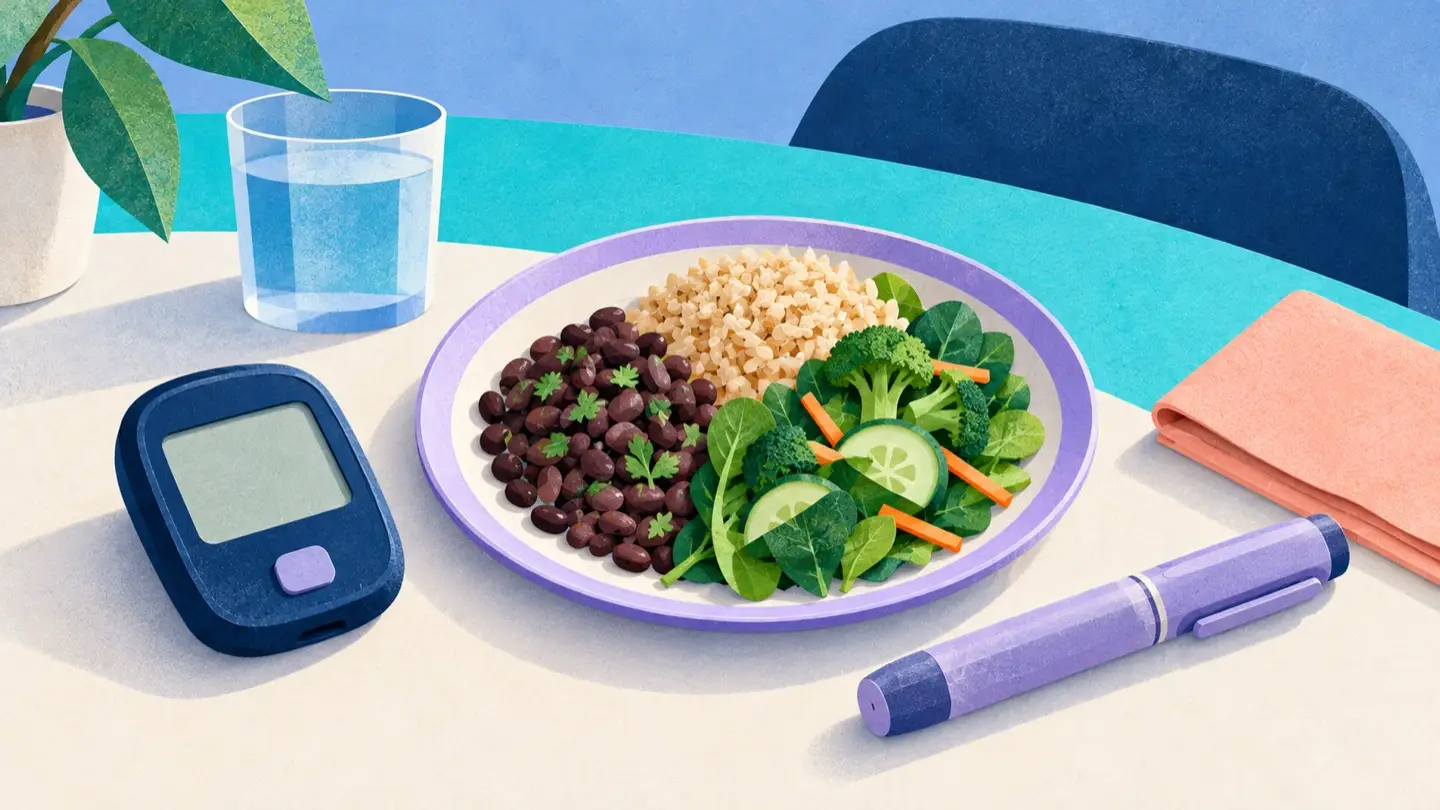
When you’re also taking Wegovy, your appetite will be reduced, so it’s important that you eat a whole-food, nutrient-dense diet to ensure you’re giving your body everything it needs to function.
Protein at every meal
Protein helps maintain muscle mass during weight loss and slows the rise in blood sugar after eating. Aim for a palm-sized portion at each meal.
Good options include:
- Chicken, turkey, and lean red meat
- Fish, particularly oily fish like salmon, mackerel, and sardines (rich in omega-3, which may also support cardiovascular health)
- Eggs
- Greek yoghurt
- Tofu and tempeh
- Lentils, chickpeas, and beans (also high in fibre, which slows the release of sugar into the blood)
High-fibre complex carbohydrates
Choosing carbohydrates that are high in fibre helps to slow down the rate at which they’re digested and released into the bloodstream.
Focus on:
- Non-starchy vegetables: leafy greens, broccoli, courgettes, peppers, aubergines, tomatoes
- Whole grains: oats, quinoa, basmati rice, barley, sourdough bread
- Sweet potatoes rather than white potatoes
- Berries, apples, and pears, rather than tropical fruits like mango and pineapple
Healthy fats
Including healthy fats at meals helps us feel fuller for longer and slows glucose absorption:
- Extra virgin olive oil (a core component of the Mediterranean diet)
- Avocado
- Nuts and seeds (almonds, walnuts, chia seeds, flaxseeds)
- Oily fish
Foods to limit
- Refined carbohydrates (white bread, white rice, white pasta, pastries) cause rapid blood sugar spikes and can make us feel hungry between meals
- Sugary drinks, including fruit juice, can significantly raise blood sugar levels
- Ultra-processed foods and takeaways are energy-dense and often lead to overconsumption
- Alcohol in moderation, as it can cause unpredictable blood sugar fluctuations and interact with some diabetes medications
Managing reduced appetite on Wegovy
- Don’t skip meals, especially if you take insulin or sulfonylureas, as this increases the risk of hypoglycaemia
- Eat smaller, more frequent meals if large portions feel uncomfortable
- Prioritise protein and vegetables at each meal to maximise nutritional value
- If nausea is an issue, choose easily digestible foods (scrambled eggs, white fish, mashed sweet potato, cooked vegetables)
- Stay hydrated, particularly if you experience diarrhoea or vomiting
Physical activity
Regular physical activity improves insulin sensitivity independently of weight loss, making it one of the most effective tools for managing type 2 diabetes.
Research shows that combining aerobic exercise and resistance training is more effective than either alone for improving blood sugar control.9
Aerobic exercise
Aerobic activity directly lowers blood sugar by increasing the amount of sugar our muscles burn to support the activity.
Aim for at least 150 minutes of moderate-intensity activity per week.
Good options include:
- Brisk walking (30 minutes most days is a practical starting point)
- Swimming
- Cycling
- Dancing or group fitness classes
A short walk after meals is particularly effective. Research shows that exercising within 30 minutes of eating significantly lowers post-meal blood sugar spikes.10 Even a 10-15 minute walk after your main meals can make a meaningful difference.
Resistance training
Resistance training builds muscle mass, and more muscle means our body will burn more sugar for energy, supporting lower blood sugar levels.
Greater muscle mass improves insulin sensitivity and glucose disposal. A meta-analysis found that resistance training reduced HbA1c by around 0.4% in people with type 2 diabetes.11
Aim for 2-3 sessions per week. Practical starting points:
- Bodyweight exercises: squats, lunges, press-ups, and step-ups
- Resistance bands: convenient and inexpensive for home use
- Free weights or gym machines, if you have access
Managing blood sugar during exercise
If you take insulin or sulfonylureas, exercise can further lower blood sugar levels. Practical tips:
- Check your blood sugar before exercising if you take insulin or sulfonylureas
- Carry fast-acting carbohydrates (glucose tablets, jelly babies, sugary drink)
- Be aware that the blood-sugar-lowering effect of exercise can last for hours after you stop
- Discuss exercise timing and medication adjustments with your diabetes team
- Do not exercise if your blood sugar is below 5 mmol/L without eating first
Mental health and type 2 diabetes
Type 2 diabetes is associated with significantly higher rates of depression and anxiety.
Research suggests that around 19% of people with type 2 diabetes experience depression, compared to 11% in the general population.12
Beyond clinical depression, diabetes distress affects around 36% of people with type 2 diabetes. This is a distinct condition characterised by the emotional burden of managing diabetes day-to-day, including monitoring blood sugar, adjusting medications, and worrying about complications.13
Several factors contribute to this:
- The daily self-management burden (medication, monitoring, dietary decisions)
- Fear of complications, particularly nerve damage, kidney disease, and vision loss
- Weight stigma and the perception that type 2 diabetes is self-inflicted
- Insulin therapy itself is associated with higher rates of depressive symptoms
- The unpredictability of blood sugar fluctuations
What can help
- Speak to your GP or diabetes team if you are experiencing persistent low mood, anxiety, or feeling overwhelmed by diabetes management
- Regular physical activity has consistent evidence for improving mood and reducing symptoms of depression in people with type 2 diabetes
- Cognitive behavioural therapy (CBT) has evidence for managing both depression and diabetes distress
- Diabetes UK offers peer support, helplines, and local groups
- If you are starting Wegovy, be aware that the early weeks of dose escalation can be physically uncomfortable, which may temporarily affect your mood
When to speak to your GP
Contact your GP or diabetes team if you experience:
- Symptoms of hypoglycaemia (shaking, sweating, confusion, dizziness, rapid heartbeat)
- Persistent nausea or vomiting that affects your ability to eat or take other medications
- Changes in your vision, which could indicate retinopathy progression
- Blood sugar readings consistently outside your target range
- Significant mood changes or feeling overwhelmed by diabetes management
- Severe abdominal pain, which could indicate pancreatitis (rare but serious)
- Signs of dehydration from persistent vomiting or diarrhoea
Frequently asked questions
Can I take Wegovy and Ozempic at the same time?
No. Wegovy and Ozempic both contain semaglutide and should not be taken together. If you’re switching from Ozempic to Wegovy, your prescriber will manage the transition between the two.
Will Wegovy replace my diabetes medication?
Wegovy isn’t a substitute for insulin or other diabetes medications. While it may improve blood sugar control and lead to dose reductions, any changes to your diabetes medications should be made by your diabetes team based on your blood sugar readings.
Can I take Wegovy with metformin?
Yes. There’s no pharmacokinetic interaction between semaglutide and metformin, and a systematic review confirmed the combination is safe and effective.4 Both can cause gastrointestinal side effects, so a slower Wegovy dose escalation may help.
Is Wegovy suitable if I am on insulin?
Wegovy can be used alongside insulin, but the risk of hypoglycaemia is higher. Your diabetes team will need to reduce your insulin dose when you start Wegovy and monitor your blood sugar levels closely during dose escalation.
How much weight can I expect to lose with type 2 diabetes?
The STEP 2 trial found an average weight loss of 9.6% over 68 weeks in people with type 2 diabetes.1 Weight loss tends to be slightly lower in people with type 2 diabetes compared to those without, partly because insulin resistance can make weight loss more challenging.
Will Wegovy help my blood sugar levels?
Yes. In the STEP 2 trial, semaglutide 2.4 mg reduced HbA1c by 1.6 percentage points alongside weight loss.1
Semaglutide improves blood sugar control through direct effects on insulin and glucagon, as well as indirectly through weight loss.
Does NICE recommend Wegovy for people with type 2 diabetes?
NICE TA875 recommends semaglutide for weight management in adults with a BMI of 35 or above (or 30-34.9 with specific referral criteria) and at least one weight-related comorbidity, which includes type 2 diabetes.14 Access is through specialist weight management services for up to 2 years.
Can Wegovy put type 2 diabetes into remission?
Some people who lose a significant amount of weight may achieve remission of diabetes, in which blood sugar levels return to the non-diabetic range without medication.
However, Wegovy is not licensed for diabetes remission, and remission is not guaranteed. Any changes to diabetes medications should be guided by your diabetes team.
Are the side effects worse if I have type 2 diabetes?
The gastrointestinal side effects of Wegovy are similar in people with and without type 2 diabetes. The main additional risk is hypoglycaemia if you take insulin or sulfonylureas. If you are on metformin alone, the side effect profile is comparable to that of people without diabetes.
Can I get Wegovy on the NHS if I have type 2 diabetes?
Wegovy is available through NHS specialist weight management services if you meet the NICE criteria.14
Having type 2 diabetes counts as a weight-related comorbidity, which is one of the eligibility requirements. Your GP can refer you to a specialist weight management service.
Our related guides cover Wegovy with metformin and prediabetes, and Mounjaro for people living with type 2 diabetes. Use the medication compatibility checker for other medicines.
Take home message
Wegovy can be used in patients living with type 2 diabetes, and clinical trials have demonstrated its effectiveness for both weight loss and blood sugar control in this population.
The main considerations are the increased hypoglycaemia risk if you take insulin or sulfonylureas, and the need for close monitoring during dose escalation.
Managing type 2 diabetes effectively involves more than medication alone. Focusing on nutrient-dense, whole foods and regular physical activity (particularly the combination of aerobic exercise and resistance training), and monitoring your mental health are all important alongside your treatment.
If you have type 2 diabetes and are considering Wegovy, work with your diabetes team to coordinate your medications and monitoring plan.
Second Nature's Mounjaro and Wegovy programmes
Second Nature provides Mounjaro or Wegovy as part of our Mounjaro and Wegovy weight-loss programmes.
Why choose Second Nature over other medication providers, assuming you're eligible?
Because peace of mind matters.
We've had the privilege of working with the NHS for over eight years, helping people across the UK take meaningful steps toward a healthier, happier life.
Our programmes are designed to meet people where they are, whether that means support with weight loss through compassionate one-to-one health coaching, or access to the latest weight-loss medications (like Mounjaro and Wegovy) delivered alongside expert care from a multidisciplinary team of doctors, psychologists, dietitians, and personal trainers.
At the heart of everything we do is a simple belief: real, lasting change comes from building better habits, not relying on quick fixes. We're here to support that change every step of the way.
With over a decade of experience, thousands of lives changed, and a long-standing record of delivering programmes used by the NHS, we believe we're the UK's most trusted weight-loss programme.
We hope to offer you something invaluable: peace of mind, and the support you need to take that first step.