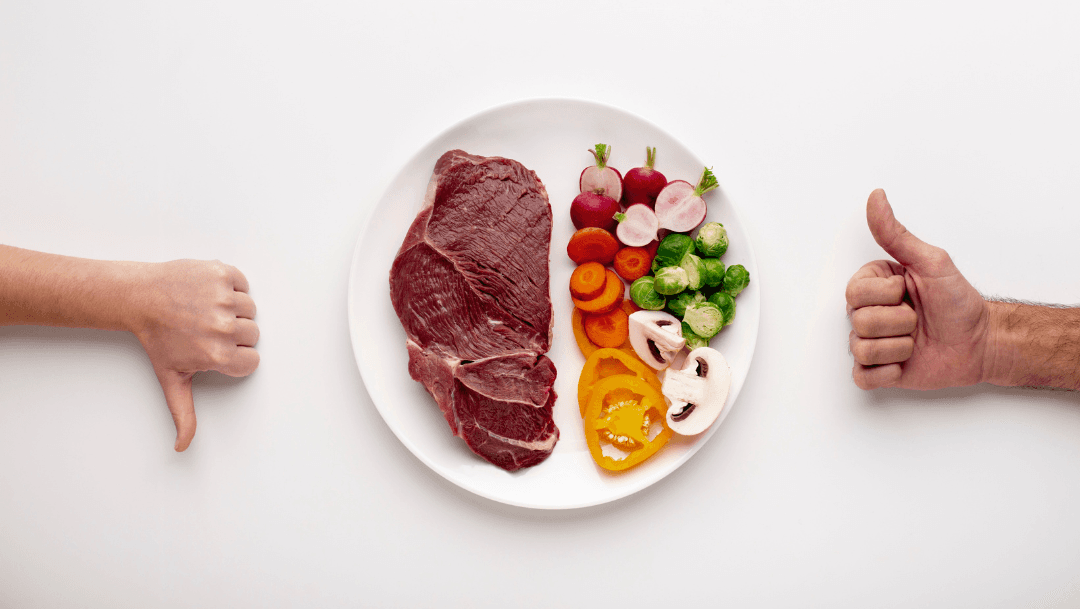
Research suggests consuming 1.6-2.2g of protein per kg of body weight a day during weight loss, higher than the standard UK recommendation of 0.75g/kg.
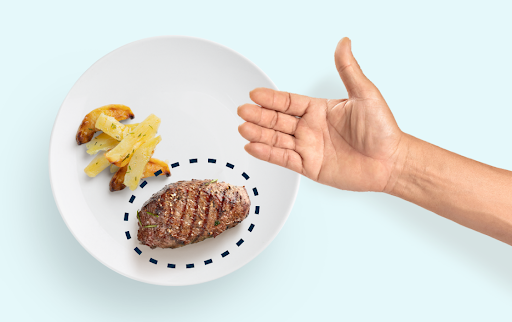
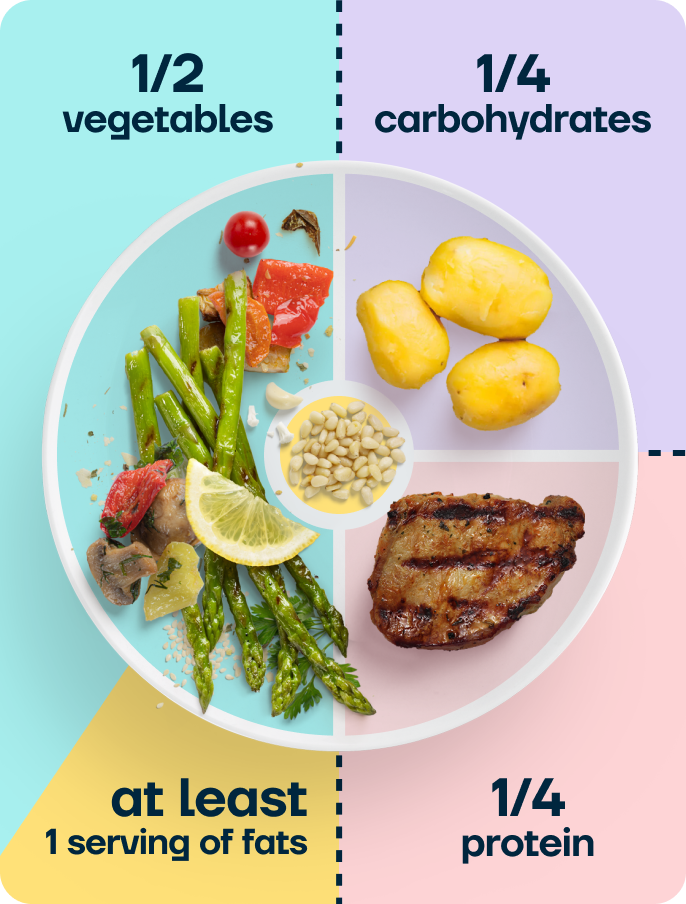
For someone weighing 75kg, that’s about 120-165g of protein a day, roughly equivalent to an open hand portion of protein at each meal (or 25% of your plate).
This higher intake is recommended during weight loss to prevent the loss of lean tissues like muscle and bone, which can account for up to 20-30% of weight lost without adequate protein.
A 2020 review found that higher-protein diets (above 1.5g/kg) consistently produced better weight loss outcomes compared to diets lower in protein.
Medication-assisted weight loss with a future focus
Start with Wegovy or Mounjaro, transition to habit-based health with our support
Why protein is crucial during weight loss
When losing weight, eating enough protein becomes even more important than during weight maintenance for 3 key reasons:
1. Protein preserves lean tissue
Without sufficient protein, our body can recycle lean tissues like muscle and bone to use for energy. This matters because:
It lowers our metabolism: Muscle tissue burns more calories at rest than fat, helping maintain weight loss
Functional strength: Preserving muscle maintains physical capability and independence
Long-term health: Muscle mass is associated with longevity and reduced chronic disease risk
A comprehensive review on protein intake and lean mass found that higher protein intakes (1.6g/kg or more) during weight loss resulted in significantly better muscle preservation compared to lower protein diets.
2. Protein naturally lowers hunger
Of all nutrients, protein has the strongest effect on satiety, helping you feel fuller for longer in 3 main ways:
Hormonal effects: Triggers release of satiety (fullness) hormones like PYY, CCK, and GLP-1
Slower digestion: Takes longer to break down than carbohydrates
Thermic effect: Requires more energy to digest (20-30% of calories) compared to carbohydrates (5-10%) or fats (0-3%)
A study published in the American Journal of Clinical Nutrition found that participants consuming higher-protein breakfasts (30g) reported 20-30% less hunger throughout the morning compared to those eating lower-protein meals with the same calories.
Macronutrient
Energy Used for Digestion
Protein
20-30%
Complex Carbohydrates
5-10%
Fats
0-3%
3. Protein stabilises blood sugar
Blood sugar fluctuations can trigger cravings and energy crashes that make weight loss harder. Protein helps stabilise these levels by:
Slowing carbohydrate absorption: When eaten with carbohydrates, protein slows digestion
Supporting insulin function: Adequate protein improves insulin sensitivity over time
Research has found that participants following higher-protein diets have lower blood sugar levels across the day.
For those trying to lose weight, these steadier blood sugar levels may translate to fewer cravings, more consistent energy, and better adherence to healthy eating patterns.
Calculating your protein needs during weight loss
Determining your optimal protein intake during weight loss depends on several factors, including your current weight, activity level, and overall health status.
Note: Protein content can vary by brand and preparation method. These are approximate values based on average protein content.
Visual portion guidance
If tracking grams feels too complicated, use this simple visual guide:
Each meal: Include a protein portion approximately the size of your open hand
For weight loss: Consider slightly larger portions if hunger persists, or add protein-rich snacks in between meals
Distribution: Aim to include a source of protein in each meal, rather than mainly at dinner
Individual variation factors
Your specific protein needs may be higher if you:
Are older (65+): Research shows older adults need more protein (up to 2.4g/kg) to maintain muscle
Exercise regularly: Particularly strength training or high-intensity activities
Have a higher starting weight: The more you weigh, the more protein you need
Are losing weight rapidly: Faster weight loss increases protein requirements to prevent muscle loss (although, we’d recommend losing weight slowly and sustainably at a rate of around 1-2lbs per week)
Practical strategies for getting enough protein
Rather than focusing solely on total daily protein, break down your needs into manageable portions throughout the day:
1. Start with protein-first meal planning
Begin by selecting your protein source when planning meals, then build the rest of your plate around it.
The balanced plate approach provides an excellent framework:
2. Choose easier-to-consume protein sources
If you struggle to eat protein-rich foods from whole foods, these protein sources are often easier to consume:
Greek yoghurt or Skyr: 100g typically provides 8-10g protein
Minced meat dishes: Easier to chew and digest than whole cuts
Flaked fish or tinned fish: Pre-cooked and soft in texture
Scrambled eggs: Easier to consume than fried or boiled
Protein powders: Can be added to soups, smoothies, or other sauce-based dishes if struggling to eat enough protein from whole foods
3. Distribute protein throughout the day
Research suggests that spreading protein intake evenly across meals supports better absorption and utilisation than consuming most at dinner:
Typical protein distribution pattern:
Breakfast: 10-15g
Lunch: 15-20g
Dinner: 40-65g
Recommended distribution for weight loss:
Breakfast: 30-40g
Lunch: 30-40g
Dinner: 30-40g
Snacks (if needed): 10-20g
4. High-protein breakfast ideas
Starting your day with sufficient protein sets the foundation for lower hunger and stable energy levels across the day:
Greek yoghurt bowl: 250g Greek yoghurt (~20g protein) with berries and a tablespoon of nuts and seeds
Eggs and vegetables: 3-4 eggs (21-28g protein) with spinach and tomatoes
Protein oats: 50g oats cooked with milk, berries, nuts, and a scoop of protein powder (25-30g protein)
Smoked salmon bagel: Wholegrain bagel with 100g smoked salmon and light cream cheese (25g protein)
5. Example day of protein-rich eating (120g target)
Meal
Foods
Protein Content
Breakfast
250g Greek yoghurt with berries and 15g mixed seeds
150g chicken breast with roasted vegetables and 80g quinoa
~42g
Snacks
2 boiled eggs + 30g cheese
~24g
TOTAL
120g
Common challenges and solutions
Challenge 1: Managing hunger when losing weight
Most people experience increased hunger when reducing calories for weight loss, making protein intake particularly important.
Solutions:
Front-load protein: Consume a protein-rich breakfast to lower hunger across the day
Protein + fibre + fat combination: Pair protein with fat and high-fibre foods to maximise fullness (e.g., eggs with vegetables on wholemeal sourdough)
Meal timing: Eat 3 balanced meals a day 3-5 hours a part, if you go longer than 5 hours between meals, have a protein-rich snack, like 2 boiled eggs
Pre-plan high-protein snacks: Keep ready-to-eat protein sources available if you experience physical hunger between meals (e.g., Greek yoghurt, boiled eggs, cheese)
Challenge 2: Plant-based diets
Vegetarian and vegan diets can make meeting higher protein needs more challenging.
Solutions:
Combine complementary proteins: Beans with rice, hummus with pitta
Consider fortified foods: Protein-enriched plant milks and yoghurts
Supplement wisely: Plant-based protein powders can help bridge gaps
Meat alternatives: While typically highly processed, plant-based meat alternatives are rich in protein and can be consumed as part of a healthy diet if consumed in moderation
Challenge 3: Cost
Quality protein sources can sometimes be expensive, but there are budget-friendly options:
Solutions:
Eggs: One of the most cost-effective high-quality protein sources (6-7g per medium egg)
Tinned fish: Tinned sardines, mackerel, and tuna offer excellent value
Frozen options: Frozen chicken breasts and fish fillets are often cheaper
Bulk cooking: Prepare larger batches of protein-rich meals to reduce costs
Legumes: While not being the highest quality protein, they still offer great value and contain other beneficial nutrients, too
Challenge 4: Time
Busy schedules can make preparing healthy meals rich in protein more challenging.
Solutions:
Batch cook proteins: Prepare several days’ worth at once
Quick-cooking proteins: Eggs, prawns, mince, and thin-cut chicken cook quickly
Overnight preparations: Greek yoghurt bowls or overnight oats with protein powder
Frequently asked questions
Can you lose weight by eating enough protein?
Protein alone doesn’t guarantee weight loss; you still need to aim to base your overall diet on whole foods to nourish your body.
However, higher protein intake supports weight loss by:
Increasing feelings of fullness, making it easier to eat less overall
Preserving muscle mass, which maintains our metabolism (how much energy we burn each day)
Requiring more energy to digest than other macronutrients
Research shows that people who consume more protein (1.6g/kg or higher) typically lose more weight and fat while preserving more muscle compared to those on lower protein diets, even with the same total calories.
How much protein do I need a day to lose weight?
For active weight loss, aim for 1.6-2.2g of protein per kg of body weight a day. This is higher than the UK’s general recommendation of 0.75g/kg because:
Weight loss increases protein requirements to preserve muscle
Higher protein intake helps control hunger during calorie restriction
Research shows better body composition outcomes at these levels
The current protein recommendations are based on the minimum amount of protein to avoid deficiency, not the optimum level for health
For a 75kg person, this means 120-165g of protein a day, distributed across meals.
Are 2 eggs enough protein for a day?
No, two eggs provide only about 12-14g of protein, far below daily requirements. The average adult needs at least 60g (based on standard recommendations) to 150g+ (during weight loss) daily.
Eggs make an excellent protein source as part of a balanced diet, but should be complemented with other protein-rich foods throughout the day.
What is the best protein to eat to lose weight?
The ideal protein sources for weight loss are from whole foods like:
Lean animal proteins: Chicken breast, turkey, white fish, lean beef
Dairy: Greek yoghurt, cottage cheese, Skyr
Fish and seafood: Prawns, white fish, tuna
Plant options: Tofu, tempeh, seitan
The ‘best’ protein varies by individual preference, budget, and dietary pattern. Focus on protein sources you enjoy and can consistently include in your diet.
What foods are high in protein?
Food
Portion
Protein Content
Chicken breast
100g cooked
31g
Greek yoghurt
200g
18-20g
Salmon
100g
22g
Eggs
2 large
12-14g
Tofu (firm)
100g
15-20g
Cottage cheese
150g
18g
Tinned tuna
100g drained
25g
Lentils
100g cooked
9g
Quinoa
100g cooked
4g
Peanut butter
30g (1 tbsp)
8g
How much protein per egg?
A medium egg (58g) contains approximately 6-7g of protein, while a large egg (63g) provides about 7-8g.
The protein is found in both the white (about 60% of the protein) and the yolk (about 40%).
Eggs are considered a complete protein source, providing all nine essential amino acids in the proportions needed by the body.
Does protein burn fat without exercise?
Protein alone doesn’t ‘burn fat,’ but it can support fat loss even without exercise by:
Increasing thermic effect: Your body uses more energy to digest protein than other nutrients
Preserving muscle: This maintains a higher resting metabolic rate because muscle burns more energy than fat at rest
Improving hunger and fullness: Helping you naturally eat less throughout the day
However, combining adequate protein intake with regular physical activity (particularly resistance training) provides significantly better results for both fat loss and overall body composition.
Which foods are high in protein and low in calories?
If you’re looking to maximise protein while minimising calories, these options provide excellent protein-per-calorie value (just ensure that you’re getting enough energy from other energy sources in your meals, like fat and carbohydrate):
Food
Calories per 100g
Protein per 100g
Protein-to-calorie ratio
White fish (cod)
82
18g
0.22g per calorie
Chicken breast
165
31g
0.19g per calorie
Prawns
99
18g
0.18g per calorie
Fat-free Greek yoghurt
57
10g
0.18g per calorie
Egg whites
52
10g
0.19g per calorie
Cottage cheese (0% fat)
72
13g
0.18g per calorie
Turkey breast
104
22g
0.21g per calorie
Tofu (firm)
144
17g
0.12g per calorie
Take home message
Getting enough protein during weight loss is essential to maintain our lean tissues, like muscle and bone, as well as supporting other functions in the body like our immune system.
By aiming for 1.6-2.2g of protein per kg of body weight (roughly 30-40g per meal), prioritising protein at each meal, and distributing intake throughout the day, you can manage hunger, maintain muscle mass, and support your overall health during weight loss.
Medication-assisted weight loss with a future focus
Start with Wegovy or Mounjaro, transition to habit-based health with our support
Second Nature's Mounjaro and Wegovy programmes
Second Nature provides Mounjaro or Wegovy as part of our Mounjaro and Wegovy weight-loss programmes.
Why choose Second Nature over other medication providers, assuming you're eligible?
Because peace of mind matters.
We've had the privilege of working with the NHS for over eight years, helping people across the UK take meaningful steps toward a healthier, happier life.
Our programmes are designed to meet people where they are, whether that means support with weight loss through compassionate one-to-one health coaching, or access to the latest weight-loss medications (like Mounjaro and Wegovy) delivered alongside expert care from a multidisciplinary team of doctors, psychologists, dietitians, and personal trainers.
At the heart of everything we do is a simple belief: real, lasting change comes from building better habits, not relying on quick fixes. We're here to support that change every step of the way.
With over a decade of experience, thousands of lives changed, and a long-standing record of delivering programmes used by the NHS, we believe we're the UK's most trusted weight-loss programme.
We hope to offer you something invaluable: peace of mind, and the support you need to take that first step.
Download our free, indulgent 7-day meal plan
It includes expert advice from our team of registered dietitians to make losing weight feel easier. Subscribe to our newsletter to get access today.