Why weight can change after an injury
An injury can affect weight by changing our daily routines, mood, and motivation to perform our usual activities.
Work, exercise, caring for others, socialising, and managing life independently can all be affected. These activities give our days structure and are often part of how we see ourselves.
When they’re suddenly removed, frustration, low mood, or a loss of confidence can reduce the motivation to plan meals, shop, cook, or complete rehabilitation exercises.
NICE guidance for complex injuries recommends including meaningful activities, motivation, and psychological support in rehabilitation.3
Eating can also become a way to manage boredom or distress when other enjoyable activities aren’t possible. If this means eating more often (particularly ultra-processed, highly-rewarding foods) or eating when we aren’t hungry, it can contribute to weight gain.
Injuries can also make shopping and cooking more challenging (or impossible). Regular meals may be replaced by snacks or whatever is easiest to prepare, while pain, nausea, and constipation can reduce appetite and lead some people to eat less, so weight loss isn’t always an outcome of injury. Muscle and weight loss can also result from injury, depending on the situation.
When recovery involves bed rest or a large reduction in movement, muscles across the body are used less, particularly those in the legs.
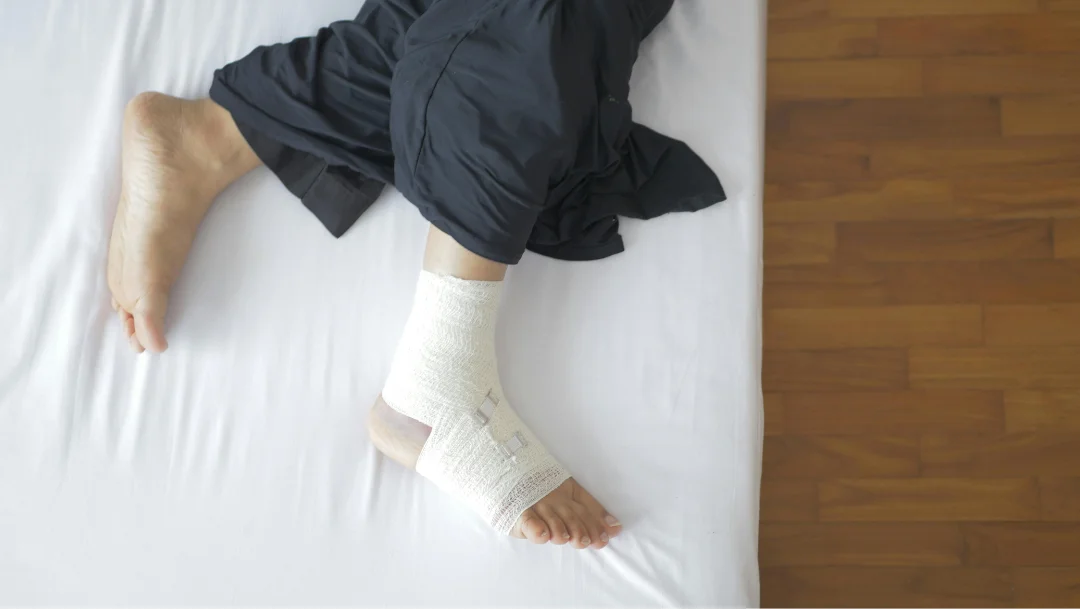
If only one limb is kept still (due to a broken leg, for example), the muscle loss will be more significant in that limb. Using a muscle (or muscle group) less slows the rate at which it makes new muscle tissue, so it gradually gets smaller.
A 2025 review of 16 studies found that bed rest and keeping a limb still reduced the rate at which muscles made new protein.2 The studies involved healthy volunteers, so they explain why muscles shrink when they aren’t being used, but they can’t predict how much muscle an injured person will lose.
Muscle loss can reduce our total weight and increase our body fat percentage, even if we don’t gain any fat. If changes in eating habits during recovery also lead to fat gain, losing 1 kg of muscle while gaining 1 kg of fat would leave our total weight unchanged, but a larger proportion of our weight would come from fat.
The fracture study can’t tell us which of these changes occurred. It measured body weight, but it didn’t measure fat, muscle, or fluid, and it didn’t include a similar group without injuries to compare against.
It shows that weight increased by an average of 4 kg in this group, but it can’t tell us what caused the increase or how much was caused by the injury.1
Still, it’s clear that weight gain is a significant risk for individuals who experience an injury that impacts their ability to perform their usual daily activities.
What the scales can and can’t tell you
Body weight includes fat, muscle, bone, water, and other non-fat lean tissues. Several of these can change during recovery, so even if your weight remains stable post-injury, it doesn’t necessarily mean you’ve maintained the same body composition.
For example, losing 1 kg of muscle and gaining 1 kg of fat would leave weight unchanged.
Contact your healthcare team if swelling is new or getting worse so they can check what’s causing it.3
| Change |
What it can mean |
What to assess |
| Weight gain |
Fat, fluid, or a combination may have increased |
Swelling, symptoms, and changes in eating habits |
| Weight stays the same |
Different tissue changes may offset one another |
Food intake and progress with strength and daily tasks |
| Unintentional weight loss |
Reduced swelling, muscle loss, or inadequate food intake may contribute |
Whether eating has become difficult and a nutrition review is needed |
The 4 kg average in the fracture study came from adults treated in Kuwait, 84% of whom were men.1
The researchers didn’t measure fat, muscle, or fluid separately, so the study can’t tell us what made up that weight gain or whether women, on average, will be impacted in the same way.1
Should you try to lose weight while recovering from injury?
During early recovery from a serious injury, we recommend eating enough to maintain weight and following the rehabilitation plan. Losing weight due to muscle loss or an unintentional reduction in calorie intake shouldn’t be seen as a positive thing.
NICE guidance for people with complex rehabilitation needs after traumatic injury recommends enough food and drink to maintain weight, with a regular review of nutritional needs. This guidance concerns complex injuries, not every minor sprain.3
You don’t always need to wait until an injury has completely healed before trying to lose weight. The right time depends on how serious the injury is and whether recovery is affecting your appetite, strength, and daily activities.
If the injury is minor and you’re eating normally, managing most of your usual activities, and not losing strength, gradual weight loss may still be reasonable.
After a serious injury or surgery, the early priority is to eat enough to support healing, limit muscle loss, and take part in rehabilitation. For people with complex injuries, NICE recommends eating enough to maintain weight while healing and rehabilitation continue.3
Once healing is progressing, you’re eating regular meals, and pain is controlled well enough for you to manage most daily activities and take part in rehabilitation, gradual weight loss may be appropriate if it would improve your health. You don’t need to be completely pain-free or back to your previous activity level.
Continue aiming to maintain weight if you’re losing weight without trying, struggling to eat enough, continuing to lose strength, or finding that dietary changes make rehabilitation harder.
What to eat during recovery
We recommend eating a diet based on whole foods that contains enough protein, fibre, fat, and complex carbohydrates, and limits ultra-processed foods.
The aim during recovery is to ensure our body has enough energy to meet its baseline needs and fuel the healing process. Plus, enough protein to provide the building blocks our body needs to build and retain lean tissue.
Additionally, eating a diet based mainly on whole foods will help to maintain appropriate inflammation levels in the body, supporting the healing process.
In comparison, ultra-processed foods can increase baseline levels of inflammation in the body, potentially harming the body’s ability to heal.
Let’s look at some practical ways you can maintain healthier eating habits during recovery from injury.
Choose meals that are manageable to prepare
Use frozen vegetables and tinned beans or fish when cooking and preparing food is too challenging.
Here are some good examples of easy-to-prepare meals you could try:
- Greek yoghurt with rolled oats, fruit, and nuts
- Eggs on wholegrain toast with tomatoes
- A microwave potato with tinned beans or fish and vegetables
- Ready-cooked brown rice with tofu and frozen vegetables
To ensure you’re providing your body with everything it needs, use the balanced plate as a guide: half vegetables, a quarter protein, a quarter complex carbohydrates, plus a serving of fat such as olive oil.
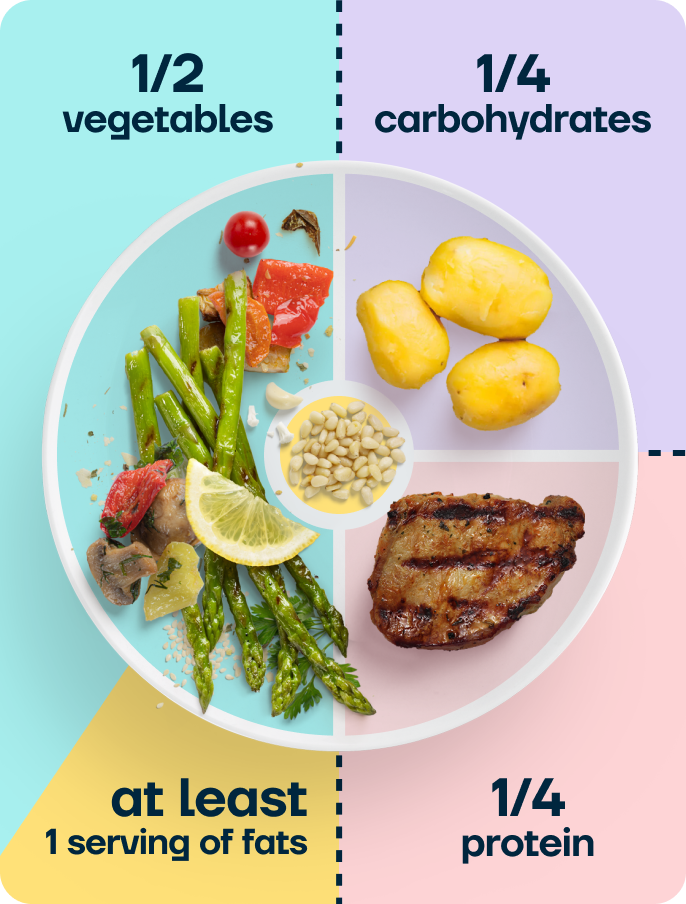
We recommend eating three balanced meals a day, and including protein-rich snacks in between if necessary (for example, if you’re losing weight unintentionally, or feel physically hungry between meals).
Include a source of quality protein at every meal
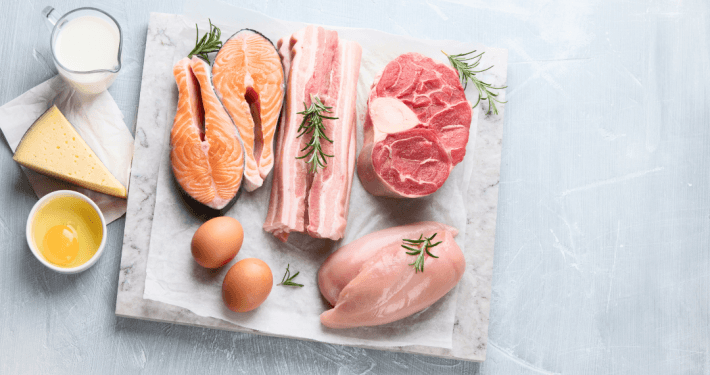
Include a palm-sized source of protein at each main meal. Great protein sources include chicken, fish, red meat, tofu, tempeh, eggs, and dairy.
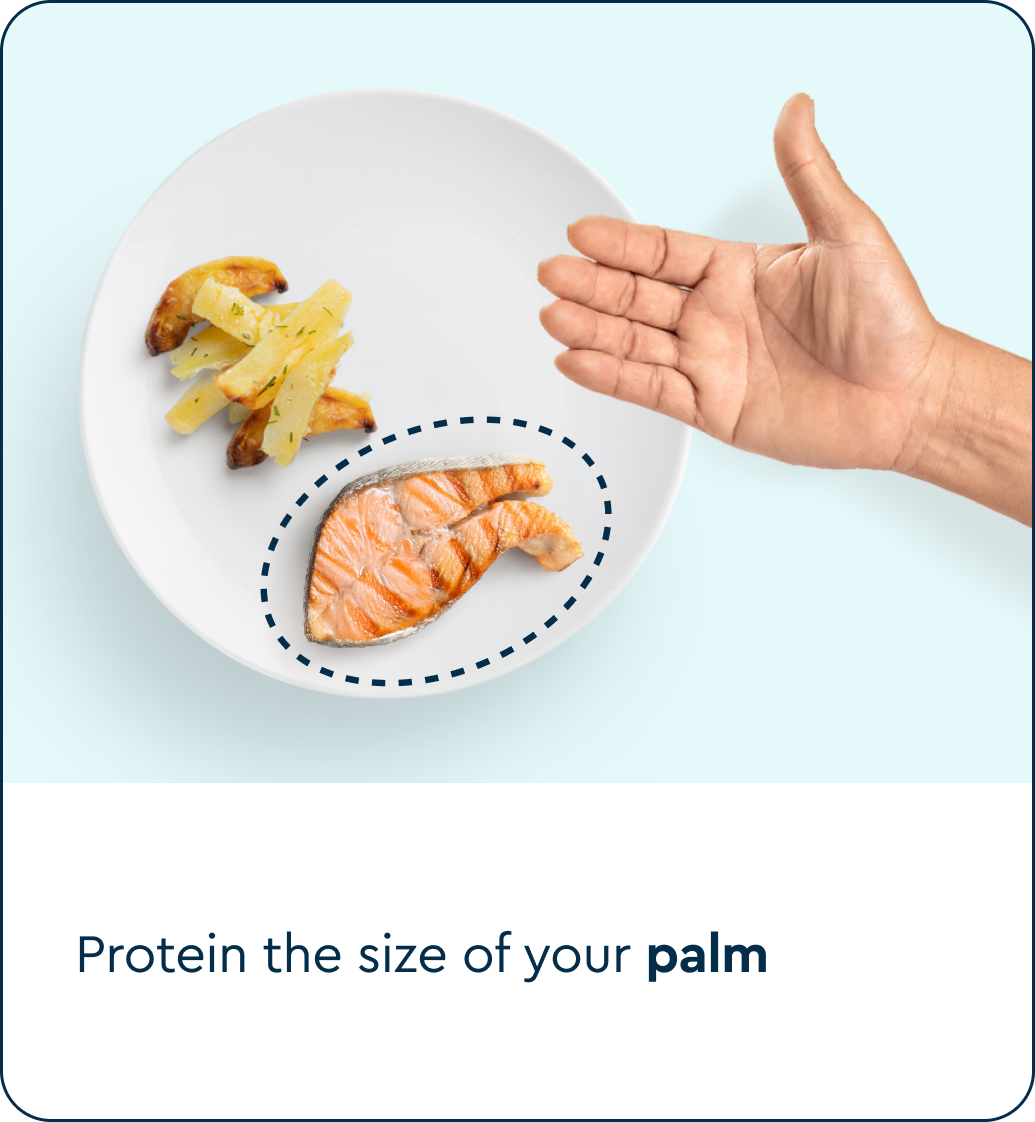
Protein provides amino acids, which our bodies use to maintain and repair muscle tissue. Rehabilitation exercises help us regain muscle strength and function.
When movement is restricted, additional protein alone may not prevent muscle loss. A 2024 review combined the results of eight trials and found no clear evidence that additional protein or amino acids prevented muscle loss during bed rest or when a limb was kept still.5
Include protein in regular meals and follow the rehabilitation exercises your physiotherapist recommends. If you’re struggling to eat enough protein in your meals, opt for easier-to-digest protein sources, such as minced meat, tofu, tinned fish, white fish, and scrambled eggs.
Protein powders may help during injury rehabilitation if they help you meet your protein needs during recovery. Still, we don’t have to take them if we’re eating enough protein in our meals and snacks.
Movement and rehabilitation
Before starting exercise, ask your surgeon or physiotherapist how much weight you can put through the injured limb and which movements are allowed.
Rehabilitation can include strength exercises, joint movement, and activity to rebuild fitness. NICE recommends tailoring these to the injury and the person’s needs, including seated or upper-body activity when appropriate.3
Once exercises are prescribed, choose a regular time to do them so they become part of your routine, such as after breakfast.
Follow your physiotherapist’s advice about how often to repeat them and when to increase the difficulty.
Eating habits and mental health
An injury can remove the activities that normally give our days structure, including work, exercise, socialising, and caring for other people.
When those routines are disrupted due to injury, motivation can fall, our eating habits can change, and it can become harder to keep up with rehabilitation.3
We recommend keeping a basic daily routine with set times for meals, rehabilitation exercises, rest, and an activity you enjoy. This makes regular eating less dependent on how motivated you feel and more part of your routine.
If shopping or cooking is too challenging, try to arrange help with food shopping or meal preparation. Keep a few simple meals at home for days when pain, fatigue, or appointments disrupt your plans.
Food can also become a way to manage boredom, frustration, loneliness, or low mood. If you often eat when you aren’t physically hungry, note what happened and how you felt just beforehand.
Our guide to identifying emotional eating explains how to recognise these patterns and identify the situations that prompt them.
Pain and poor sleep can lower mood and make it harder to follow a regular eating routine or take part in rehabilitation. Tell your healthcare team if either isn’t being controlled by your current treatment.
Speak to your GP if low mood or anxiety is affecting daily life, or if you regularly feel unable to stop eating once you’ve started.
When to seek medical advice
Ask your GP or rehabilitation team for a review if weight keeps changing unexpectedly, you’re struggling to eat, or nausea and constipation are limiting food intake.
Seek urgent advice from your GP or NHS 111 for new one-sided leg pain and swelling, which can be signs of a blood clot.6
If these symptoms are accompanied by chest pain or breathlessness, call 999.6
Frequently asked questions
How much weight is normal to gain after an injury?
There’s no established normal amount across different injuries. The 4 kg average over 18 months in the lower limb fracture study describes that particular group, not a target or an expected change for everyone.1
Why has my weight increased quickly after surgery?
Fluid changes can contribute to a quick increase, but weight alone can’t confirm the cause. Contact your surgical team about a sudden, unexplained increase or worsening swelling, especially if you develop new symptoms.
Can I lose weight if I can’t exercise?
Yes, it’s possible to lose weight without exercising. However, during injury recovery, the priority should be supporting rehabilitation, not losing weight.
If you’d like to lose weight in the future to support your health, speak to your healthcare team about when this might be possible for you.
Should I skip meals because I’m moving less?
We don’t recommend skipping meals simply because you’re less active. Eating three balanced meals a day will provide your body with the protein, energy, and essential vitamins and minerals it needs to support you recover from your injury.
Do I need protein shakes while I’m injured?
Not necessarily. Protein powders and shakes can be useful if you’re struggling to meet your protein needs, but aren’t needed if you’re eating enough protein in your meals.
How can I reduce the chance of gaining weight during recovery?
Eat three balanced meals a day that include protein, fat, complex carbohydrates, and fibre-rich vegetables, and arrange help if cooking is too challenging.
If you continue to experience unintentional weight loss, speak to your healthcare team or GP about support.
Will the weight come off when I start moving again?
Returning to activity doesn’t guarantee that weight will return to its previous level. Still, returning to our pre-injury activity levels will inherently be a goal of any rehabilitation programme, and will support all-round health and wellbeing.
Should I weigh myself while using crutches or wearing a cast?
Follow your movement restrictions when weighing yourself, and ask your rehabilitation team for help if you can’t stand on scales safely. A cast or boot can also affect the reading.
Take home message
Weight gain can happen after an injury, but it isn’t inevitable. Recovery can disrupt our routines, mood, motivation, and eating habits, while bed rest or needing to keep a limb still can lead to muscle loss.
Our body composition can also change during recovery, even if our weight remains stable. We can lose muscle and gain body fat while our total weight stays the same or reduces.
During early recovery from a serious injury, the priority is to eat enough to support the healing process, limit muscle loss, and take part in rehabilitation.
Once your injury is improving, you’re eating regular meals, and your pain is controlled enough to manage most daily activities, gradual weight loss may be appropriate if it would improve your health. You don’t need to be completely pain-free or back to your previous activity level.
Second Nature combines support from registered dietitians and nutritionists with practical guidance on meals, eating habits, and weight management. Weight-loss medication is available when it’s clinically appropriate.
In a peer-reviewed evaluation of our programme, 135 active subscribers lost an average of 19.1% of their weight at 12 months. Among all 179 participants with a recorded 12-month weight, including those who had stopped subscribing, 77.7% lost at least 10%.7
Only 179 of the 341 people who started the programme had a recorded weight at 12 months. The study didn’t examine people recovering from an injury, so these results shouldn’t be treated as evidence about weight loss during rehabilitation.7
Second Nature's Mounjaro and Wegovy programmes
Second Nature provides Mounjaro or Wegovy as part of our Mounjaro and Wegovy weight-loss programmes.
Why choose Second Nature over other medication providers, assuming you're eligible?
Because peace of mind matters.
We've had the privilege of working with the NHS for over eight years, helping people across the UK take meaningful steps toward a healthier, happier life.
Our programmes are designed to meet people where they are, whether that means support with weight loss through compassionate one-to-one health coaching, or access to the latest weight-loss medications (like Mounjaro and Wegovy) delivered alongside expert care from a multidisciplinary team of doctors, psychologists, dietitians, and personal trainers.
At the heart of everything we do is a simple belief: real, lasting change comes from building better habits, not relying on quick fixes. We're here to support that change every step of the way.
With over a decade of experience, thousands of lives changed, and a long-standing record of delivering programmes used by the NHS, we believe we're the UK's most trusted weight-loss programme.
We hope to offer you something invaluable: peace of mind, and the support you need to take that first step.