You can take Mounjaro (tirzepatide) alongside SGLT2 inhibitors, such as empagliflozin, dapagliflozin, or canagliflozin.
Clinical trials, including the SURPASS program, have evaluated this combination and found it both effective and generally well-tolerated.
Many patients worry about the side effects overlapping, particularly dehydration, but research suggests the benefits often outweigh these manageable risks when proper monitoring is in place.
Both medications work through different mechanisms, creating complementary effects for blood sugar control and weight loss.
Clinical trials have shown that patients may experience improved HbA1c reductions and enhanced weight loss when using both treatments together compared to either medication alone.
It’s essential to prioritise hydration, closely monitor for specific side effects, and work closely with your healthcare team to determine the most suitable dosing schedule.
Current clinical guidelines support considering this combination, particularly for patients who haven’t achieved target blood sugar levels on single medications alone.
Medication-assisted weight loss with a future focus
Start with Wegovy or Mounjaro, transition to habit-based health with our support
Understanding SGLT2 inhibitors
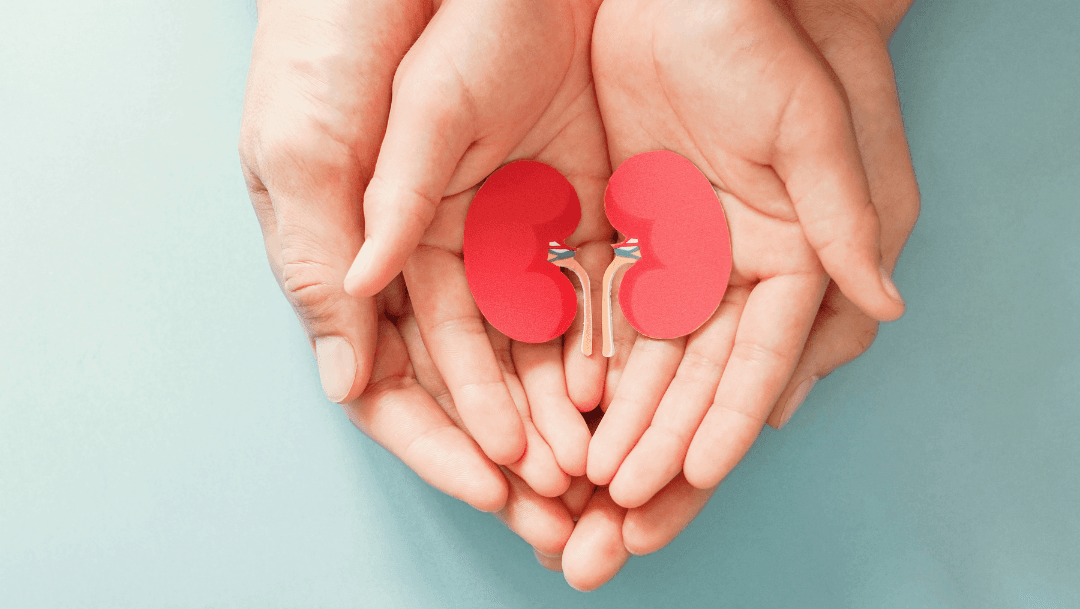
SGLT2 inhibitors work differently from Mounjaro. While Mounjaro mimics hormones that affect hunger and insulin function (to manage blood sugar), SGLT2 inhibitors work directly in our kidneys.
SGLT2 inhibitors work by helping our body excrete excess sugar (glucose) out of our urine.
Normally, our kidneys filter sugar but then reabsorb most of it back into our bodies. SGLT2 inhibitors block this reabsorption, causing excess sugar to be excreted in our urine.
The three most commonly prescribed SGLT2 inhibitors in the UK are:
Empagliflozin (Jardiance) – Often prescribed for patients with heart failure or kidney disease
Dapagliflozin (Forxiga) – May be prescribed for patients with heart failure, even without diabetes
Canagliflozin (Invokana) – Another option in this medication class
Beyond lowering blood sugar, research shows SGLT2 inhibitors offer several other potential benefits:
Modest weight loss
Reduced risk of heart failure hospitalisation
Kidney protection, particularly for those with early kidney disease
Lower blood pressure
These medications are taken once daily as tablets, unlike Mounjaro, which is a weekly injection.
Most patients take SGLT2 inhibitors in the morning, though timing isn’t as crucial as with some other medications.
How Mounjaro and SGLT2 inhibitors work together
Combining Mounjaro and SGLT2 inhibitors may offer complementary benefits to manage blood sugar and support weight loss.
Mounjaro primarily works by:
Mimicking two hormones (GLP-1 and GIP) that help regulate blood sugar
Slowing stomach emptying to reduce post-meal blood sugar spikes
Reducing hunger by communicating with our brain
Improving insulin sensitivity
Meanwhile, SGLT2 inhibitors:
Remove excess sugar through urine
Don’t depend on insulin to work
May lower blood pressure
Reduce overall fluid volume in the body
The SURPASS clinical trials showed that patients already taking SGLT2 inhibitors who added Mounjaro achieved significant improvements. Specifically, research demonstrated:
HbA1c reductions of 1.8–2.4% when adding Mounjaro to existing treatments, including SGLT2 inhibitors
Greater improvements in multiple health measurements compared to single-drug approaches
This complementary action makes sense because they target different aspects of diabetes.
Mounjaro addresses insulin resistance and appetite, while SGLT2 inhibitors handle excess sugar elimination regardless of insulin status.
This combination may be particularly relevant for patients with:
Persistent elevated HbA1c despite monotherapy
Existing cardiovascular disease or high-risk factors
Obesity requiring significant weight loss
Early kidney disease
Safety considerations
While this combination offers significant benefits, there are important safety considerations to understand.
The most common concerns involve overlapping side effects:
Dehydration risk
Both medications can increase urination and fluid loss. This combination requires extra attention to hydration, particularly during:
Hot weather
Exercise
Illness with fever or gastrointestinal symptoms
The first few weeks after starting either medication
Genital infections
SGLT2 inhibitors increase sugar in the urine, which can raise the risk of genital thrush or yeast infections. Good hygiene practices are essential, particularly for women.
Hypoglycaemia concerns
When used together without insulin or sulfonylureas, the risk of dangerously low blood sugar is quite low. However, if you take insulin or sulfonylureas alongside this combination, your doctor will likely need to reduce those doses.
Ketoacidosis awareness
SGLT2 inhibitors slightly increase the risk of diabetic ketoacidosis, a serious condition where the body produces high levels of ketones. This can occur even when blood sugar levels aren’t very high. Warning signs include:
Persistent nausea or vomiting
Stomach pain
Excessive thirst
Unusual fatigue
Fruity-smelling breath
Gastrointestinal side effects
Mounjaro commonly causes nausea, vomiting, or diarrhoea, particularly when first starting. These side effects can increase the risk of dehydration when combined with SGLT2 inhibitors.
This is often referred to as the ‘sick day rules’ and should be discussed with your healthcare team.
NHS guidance and recommendations
Current UK guidance (NICE NG28) provides recommendations for type 2 diabetes treatment that can include combination therapy for patients who haven’t achieved adequate blood sugar control on single medications.
The pathway typically positions this type of combination as appropriate for consideration in:
Patients whose HbA1c remains above target despite metformin and either Mounjaro or an SGLT2 inhibitor
People with established cardiovascular disease, heart failure, or chronic kidney disease
Patients needing additional blood glucose control or weight management support
Access to Mounjaro (tirzepatide) through NHS pathways may vary by region, as it’s a newer medication. Many UK patients currently access Mounjaro through private prescription.
Most clinical guidelines follow a stepwise approach:
Metformin as first-line therapy
Second-line options, including SGLT2 inhibitors (particularly for those with heart or kidney concerns)
Further options, including GLP-1 receptor agonists like Mounjaro, particularly for patients needing significant weight loss
Combination therapies when individual medications don’t achieve targets
When considering combination therapy, your healthcare team will evaluate your individual circumstances, comorbidities, and treatment goals to determine the most appropriate approach.
Practical advice for patients
If you’re taking or considering this combination, these practical strategies can help manage it effectively:
Optimal timing
Take your SGLT2 inhibitor in the morning to minimise nighttime urination
Administer Mounjaro on a consistent day each week
Discuss with your healthcare provider whether to space initial doses when first starting both medications
Hydration strategies
Ensure adequate daily fluid intake
Carry water with you consistently
Consider setting hydration reminders
Monitor urine colour (pale yellow indicates you’re well hydrated)
Side effect management
For nausea from Mounjaro: smaller, more frequent meals; ginger tea; avoiding fatty foods
For genital infections from SGLT2 inhibitors: proper hygiene, cotton underwear, and prompt treatment
For constipation: increase fibre gradually, stay active, and eat a diet based on whole foods (primarily cooked vegetables)
Blood sugar monitoring
Check glucose more frequently when first combining these medications
Be particularly vigilant about monitoring if you also take insulin or sulfonylureas
Know the symptoms of hypoglycaemia, even though the risk is relatively low with this specific combination
Medical ID and communication
Carry information about both medications
Ensure your GP, diabetes team, and any other specialists are aware of this combination
Consider a medical ID bracelet if you have multiple health conditions
Sick day management
Contact your healthcare team promptly if you develop vomiting or diarrhoea
Temporary suspension of SGLT2 inhibitors may be necessary during significant illness
Continue Mounjaro unless advised otherwise by your healthcare provider
What to expect
While individual responses vary significantly, clinical trials provide some general insights into what patients might experience with this combination:
Initial adjustment period
Increased urination is common with SGLT2 inhibitors
Digestive symptoms may occur with Mounjaro, particularly during dose titration
Focus on hydration and managing initial side effects
You may notice reduced hunger and thirst
Blood sugar improvements
Most patients see gradual improvements in blood glucose readings
Your healthcare team will monitor your HbA1c to assess effectiveness
The full benefits may take several months to develop
Weight loss
Both medications can contribute to weight loss
The pace and amount of weight change vary significantly between individuals
Regular monitoring helps ensure healthy and appropriate weight changes
Medication adjustments
Your doctor may need to adjust doses of other medications you take
Blood pressure medications, in particular, may require modification
Regular check-ups help ensure optimal treatment
Long-term considerations
Ongoing kidney function monitoring is important
Annual diabetes reviews should assess continuing benefit
Your treatment plan may evolve based on your response and health status
Remember that responses to medication vary considerably based on genetics, adherence, lifestyle factors, and the use of other medications.
Frequently asked questions
Will this combination cause excessive weight loss?
Both medications can contribute to weight loss, but responses vary significantly between individuals.
Your healthcare team will monitor your weight regularly and adjust your treatment as needed.
Weight loss with these medications typically occurs gradually when used appropriately.
Do I need to check my ketones while on this combination?
For most patients, routine ketone testing isn’t necessary. However, your doctor may recommend ketone monitoring if you have specific risk factors.
If you experience persistent nausea, vomiting, or unusual fatigue, checking ketones may be valuable, and you should contact your healthcare provider.
Can I drink alcohol while taking both medications?
Caution is advised with alcohol consumption. Both medications may enhance the dehydration effects of alcohol, and SGLT2 inhibitors specifically can increase ketone production.
Discuss alcohol use with your healthcare provider for personalised guidance.
Will my insurance or the NHS cover both medications?
NHS coverage varies by region and individual circumstances. SGLT2 inhibitors are widely available through NHS prescribing for appropriate patients.
Mounjaro (tirzepatide) may have more restricted NHS access in some areas. Private health insurance coverage also varies, so be sure to check with your provider for specific coverage details.
Should I take both medications if I’m having surgery?
SGLT2 inhibitors should typically be temporarily stopped before planned surgical procedures according to clinical guidelines.
Decisions about Mounjaro use depend on the type of procedure and your medical history.
Always inform your surgical team about both medications well in advance of any procedure.
Take home message
The combination of Mounjaro with SGLT2 inhibitors offers potential benefits for blood sugar control and weight management through complementary mechanisms.
While both medications can cause overlapping side effects, particularly related to dehydration, many patients can manage these successfully with proper hydration and monitoring.
Clinical guidelines recommend considering this combination for patients who do not achieve targets on single therapies, particularly those with cardiovascular risk factors or who require additional glycemic control.
It’s essential to focus on proper hydration, consistent monitoring, and open communication with your healthcare team.
If you’re considering or currently taking this combination, focus on developing sustainable habits related to medication timing, hydration, and managing side effects.
With proper support, this medication pairing may offer improvements in both diabetes control and overall health outcomes.
Medication-assisted weight loss with a future focus
Start with Wegovy or Mounjaro, transition to habit-based health with our support
Second Nature's Mounjaro and Wegovy programmes
Second Nature provides Mounjaro or Wegovy as part of our Mounjaro and Wegovy weight-loss programmes.
Why choose Second Nature over other medication providers, assuming you're eligible?
Because peace of mind matters.
We've had the privilege of working with the NHS for over eight years, helping people across the UK take meaningful steps toward a healthier, happier life.
Our programmes are designed to meet people where they are, whether that means support with weight loss through compassionate one-to-one health coaching, or access to the latest weight-loss medications (like Mounjaro and Wegovy) delivered alongside expert care from a multidisciplinary team of doctors, psychologists, dietitians, and personal trainers.
At the heart of everything we do is a simple belief: real, lasting change comes from building better habits, not relying on quick fixes. We're here to support that change every step of the way.
With over a decade of experience, thousands of lives changed, and a long-standing record of delivering programmes used by the NHS, we believe we're the UK's most trusted weight-loss programme.
We hope to offer you something invaluable: peace of mind, and the support you need to take that first step.
Download our free, indulgent 7-day meal plan
It includes expert advice from our team of registered dietitians to make losing weight feel easier. Subscribe to our newsletter to get access today.